Does The Wood Matter as Much as We've Been Told???

Inspector #20

Ambassador of Tone
Fallen Star
Country flag
This has proven to be one of my most interesting experiments.

A Mahogany set neck vs. a multi-ply alder Strat with bolt-on maple neck, played back to back through the same amp within seconds of each other, that sound nearly identical.
20210215_210056.jpg

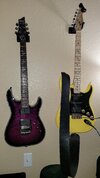
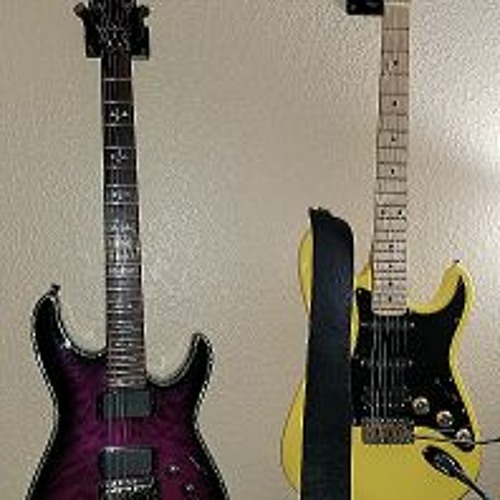
Guitar #1:

Schecter Hellraiser C1FR, Maple/Mahogany/Maple carved top body, 5 piece Mahogany set neck, EMG 81TW mounted 4/64" from the strings. All controls on 10.

Guitar #2:

1982 Fender MIJ Standard Stratocaster, 10-ply alder body, maple bolt on neck, DiMarzio Neanderthal 16.5k, Alnico 9 adjusted 9/64" from the strings with staggered pole pieces, set to specific measurements given to me by DiMarzio. All controls on 10.

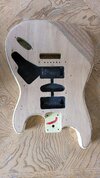
Here's a shot of the Strat body, without paint, showing its 10 layers of multi-ply construction:
20201208_112103.jpg

The Amp:

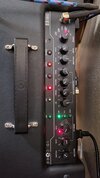
Blackstar ID-Core 100watt 'direct out' with settings shown:
20210215_211853.jpg

The waveforms from the 02/15/2021 recording - the Schecter is the first waveform, flowed a few seconds later by YelloStrat:
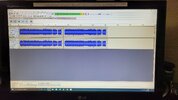
20210215_205657.jpg

The recording:

Listen to Hellraiser EMG81TW Vs YelloStrat DiMarzio Neanderthal 02 - 15 - 2021 by Von Herndon on #SoundCloud
The most amazing thing to me is how the volume levels are almost mirror images of each other, despite significant differences in construction and electronics.

I thought some of you gents might enjoy this, although some will likely hate it because it may not support personal marketing theories, it was very interesting nonetheless.
 
As much as we've been told? not sure, but here is my hypothesis:

Every piece of wood is different due to it's organic nature. Even two pieces cut from the same tree will be different.

Every guitar is different. I've had identical models that sounded different from each other.

The pickups read the string vibration. Different materials and construction affect how the string vibrates. One piece of wood may dampen certain frequencies, and emphasize others, so the string vibrates differently, and the pickup "hears" the difference. This will make the guitar have it's own voice.

So I think wood makes a difference, but not in the sense that "maple sounds this way, and mahogany sounds that way". I don't think you can predict the sound of a guitar based on the type of wood used, but every guitar will vibrate differently, and that is what affects it's voice.
 
As much as we've been told? not sure, but here is my hypothesis:

Every piece of wood is different due to it's organic nature. Even two pieces cut from the same tree will be different.

Every guitar is different. I've had identical models that sounded different from each other.

The pickups read the string vibration. Different materials and construction affect how the string vibrates. One piece of wood may dampen certain frequencies, and emphasize others, so the string vibrates differently, and the pickup "hears" the difference. This will make the guitar have it's own voice.

So I think wood makes a difference, but not in the sense that "maple sounds this way, and mahogany sounds that way". I don't think you can predict the sound of a guitar based on the type of wood used, but every guitar will vibrate differently, and that is what affects it's voice.

This waveform blows holes in the wood marketing strategies...
 
With acoustic guitars unamplified, wood makes a huge difference. With electric guitars it makes less difference and the difference can be compensated for by the electronics. In other words yes, wood can influence the sound but as soon as you amplify the sound you can change the sound to get whatever you want. Each guitar has an intrinsic sound that you can shape with amplification.
 
I don’t know if my ear is good enough to tell a difference in the material that makes an electric guitar. Pickups, different story. I can tell you that in an acoustic. What tree supplies that wood does make a difference.
 
Yes, wood makes a difference, but not as much as other factors in the signal chain. For example, the modeling amp is going to make everything "humbucker" more or less the same. Especially with the gain dimed, since it will add so much compression. That's going to be a much bigger factor in the outcome than wood species.
But generally speaking wood is one of many variables - it does make a difference, but maybe not even as much as which speakers you have loaded in your cab.
 
The most amazing thing to me is how the volume levels are almost mirror images of each other, despite significant differences in construction and electronics.

I thought some of you gents might enjoy this, although some will likely hate it because it may not support personal marketing theories, it was very interesting nonetheless.
The problem with your sound comparisons versus the point you're trying to make, is that you're using a buttload of overdrive & gain. Try a clean tone with a flat EQ setting and I bet the differences will be more noticeable... :unsure:
 
This has proven to be one of my most interesting experiments.

A Mahogany set neck vs. a multi-ply alder Strat with bolt-on maple neck, played back to back through the same amp within seconds of each other, that sound nearly identical.

View attachment 59308

Guitar #1:

Schecter Hellraiser C1FR, Maple/Mahogany/Maple carved top body, 5 piece Mahogany set neck, EMG 81TW mounted 4/64" from the strings. All controls on 10.

Guitar #2:

1982 Fender MIJ Standard Stratocaster, 10-ply alder body, maple bolt on neck, DiMarzio Neanderthal 16.5k, Alnico 9 adjusted 9/64" from the strings with staggered pole pieces, set to specific measurements given to me by DiMarzio. All controls on 10.

Here's a shot of the Strat body, without paint, showing its 10 layers of multi-ply construction:

View attachment 59313

The Amp:

Blackstar ID-Core 100watt 'direct out' with settings shown:

View attachment 59309

The waveforms from the 02/15/2021 recording - the Schecter is the first waveform, flowed a few seconds later by YelloStrat:

View attachment 59310

The recording:

Listen to Hellraiser EMG81TW Vs YelloStrat DiMarzio Neanderthal 02 - 15 - 2021 by Von Herndon on #SoundCloud

The most amazing thing to me is how the volume levels are almost mirror images of each other, despite significant differences in construction and electronics.

I thought some of you gents might enjoy this, although some will likely hate it because it may not support personal marketing theories, it was very interesting nonetheless.
One thing I know for sure, I like that Shecter.
 
my new theory that is making my playing go through the roof lately.. I sound like me.it works...give me a guitar & bass & some drums to beat on ..let me at it

recording as much as i do. It's more abut the mix for me each song. Mostly sum total of guitar-amp-then to hone in specific..the mic position on the speaker

I don't fret much looking for anything anymore..just keep plugging guitars into amps until get desired sounds & somtimes the feel can make all the dif..if i am into it more..it shows

These last 5 or so. I track left..then do not do right until later in the day. Forcing me not be a machine & add some human interaction into the music
 
As much as we've been told? not sure, but here is my hypothesis:

Every piece of wood is different due to it's organic nature. Even two pieces cut from the same tree will be different.

Every guitar is different. I've had identical models that sounded different from each other.

The pickups read the string vibration. Different materials and construction affect how the string vibrates. One piece of wood may dampen certain frequencies, and emphasize others, so the string vibrates differently, and the pickup "hears" the difference. This will make the guitar have it's own voice.

So I think wood makes a difference, but not in the sense that "maple sounds this way, and mahogany sounds that way". I don't think you can predict the sound of a guitar based on the type of wood used, but every guitar will vibrate differently, and that is what affects it's voice.
Yep! This is what I believe as well.

I'd also like to add that it's not the wood, it's how you use it :whistle:
 
This has proven to be one of my most interesting experiments.

A Mahogany set neck vs. a multi-ply alder Strat with bolt-on maple neck, played back to back through the same amp within seconds of each other, that sound nearly identical.

View attachment 59308

Guitar #1:

Schecter Hellraiser C1FR, Maple/Mahogany/Maple carved top body, 5 piece Mahogany set neck, EMG 81TW mounted 4/64" from the strings. All controls on 10.

Guitar #2:

1982 Fender MIJ Standard Stratocaster, 10-ply alder body, maple bolt on neck, DiMarzio Neanderthal 16.5k, Alnico 9 adjusted 9/64" from the strings with staggered pole pieces, set to specific measurements given to me by DiMarzio. All controls on 10.

Here's a shot of the Strat body, without paint, showing its 10 layers of multi-ply construction:

View attachment 59313

The Amp:

Blackstar ID-Core 100watt 'direct out' with settings shown:

View attachment 59309

The waveforms from the 02/15/2021 recording - the Schecter is the first waveform, flowed a few seconds later by YelloStrat:

View attachment 59310

The recording:

Listen to Hellraiser EMG81TW Vs YelloStrat DiMarzio Neanderthal 02 - 15 - 2021 by Von Herndon on #SoundCloud

The most amazing thing to me is how the volume levels are almost mirror images of each other, despite significant differences in construction and electronics.

I thought some of you gents might enjoy this, although some will likely hate it because it may not support personal marketing theories, it was very interesting nonetheless.
I'm not a believer in tone woods but you did use the most effective of equalizers here, gain. Use enough gain and everything sounds the same.
 
Back
Top