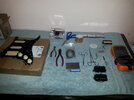
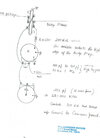
The AlNico 8 SwampBucker:

The method of attaching the pole pieces is not that important from the standpoint of making an operable pickup. All that is really necessary is that the pole pieces either contact, or are close enough to, the magnet to become magnetized by it.

As an example, the pickups used in some cheaper Strats aren’t made at all like the typical Strat pickups. Rather than being individual magnets, the pole pieces are just steel slugs that extend underneath the bobbin. The slugs make contact with two narrow bar magnets that are just glued into place. There’s no elaborate fastening used. These pickups are often scorned, but the design concept is the same as a P-90, though the build is a cheaper way to go.

I do agree, though. Making a pickup with adjustable pole pieces that can end up with stripped threads is kind of a poor move from the standpoint of construction and adjustability.

I wouldn't mind ferrous black oxide either, if I could could find them in the same 3mm size with the countersunk heads...
 
That was an interesting vid to watch.

During the test the stainless steel screws had the same effect as no screws. They produced essentially the exact same profile. This is to be expected.

However, in the graph he posted at 7:27, a rather marked difference is depicted. He does say in the caption of the graphic that he thinks he may have done something wrong to mess it up.

Unfortunately, in his listening test he used a heavily distorted rhythm. Heavy distortion can obscure some differences. I would have preferred a clean guitar sound with full chords for a listening test.

Yes, a clean tone would have been best...
 
I would think the cap would go to ground. I may be wrong though.
????????????

In the attachment Robert posted, the capacitor in series is acting like a low-cut filter. The point is that in this arrangement the highs will pass easier than the lows through the cap, essentially cleaning up excessively muddy pickups. It’s essentially wired like a coupling capacitor, though the purpose isn’t really to block any DC component.

If it were wired to ground, it would behave just the opposite. The highs would drained to ground, making the tone darker. It would be like a tone control at 0.
 
In the attachment Robert posted, the capacitor in series is acting like a low-cut filter. The point is that in this arrangement the highs will pass easier than the lows through the cap, essentially cleaning up excessively muddy pickups. It’s essentially wired like a coupling capacitor, though the purpose isn’t really to block any DC component.

If it were wired to ground, it would behave just the opposite. The highs would drained to ground, making the tone darker. It would be like a tone control at 0.

Very good, thanks for the clarification. I once again learn something on this forum. You gotta love this place.
 
Very good, thanks for the clarification. I once again learn something on this forum. You gotta love this place.

Sorry, I didn't understand your question, Chas....you may be thinking of how Bill Lawrence added a 220k ohm resistor between the pickup hot and ground to kill high frequency response....
 
As an example, the pickups used in some cheaper Strats aren’t made at all like the typical Strat pickups. Rather than being individual magnets, the pole pieces are just steel slugs that extend underneath the bobbin. The slugs make contact with two narrow bar magnets that are just glued into place. There’s no elaborate fastening used. These pickups are often scorned, but the design concept is the same as a P-90, though the build is a cheaper way to go.
I have a full set of these type pickups put away somewhere, came in a jumble box of parts I was given some time ago. Never tried them & have no idea what they came out of (they do have the typical Fender "2 with white/black leads, 1 with yellow/black leads). Another "single" single coil that came in the same box has a single bar magnet glued to the base. Strangely, for what appears to be a cheap pickup it has (grounded) copper foil shielding wrapped around the coil & a shielded coaxial lead. Cheers
 
I have a full set of these type pickups put away somewhere, came in a jumble box of parts I was given some time ago. Never tried them & have no idea what they came out of (they do have the typical Fender "2 with white/black leads, 1 with yellow/black leads). Another "single" single coil that came in the same box has a single bar magnet glued to the base. Strangely, for what appears to be a cheap pickup it has (grounded) copper foil shielding wrapped around the coil & a shielded coaxial lead. Cheers

I have a bunch of those single coils too...
 
???????????????????????????????????????????????????????????????????????????????????????????????????????????????????????????????????????????????????????????????????????????????????????????????????????????????????????????????????????????????????????????????????????????????????????????????????????????????????????????????????????????????????????????????????????????????????????????????????????????????????????????????????????????????????????????????? cough ????????????????????????????????????????????????????????????????????????????????????????????????????????????????????????????????????????????????????????????????????????????????
 
???????????????????????????????????????????????????????????????????????????????????????????????????????????????????????????????????????????????????????????????????????????????????????????????????????????????????????????????????????????????????????????????????????????????????????????????????????????????????????????????????????????????????????????????????????????????????????????????????????????????????????????????????????????????????????????????? cough ????????????????????????????????????????????????????????????????????????????????????????????????????????????????????????????????????????????????????????????????????????????????

What is the significance of the 596 question marks???
 
I don’t see how a resistor can affect frequency response? You need a resistor and a cap to make a low pass filter.
It works because the resistor is basically in parallel with the volume pot, so lowers the pots value. A 200k resistor in parallel with a 250k pot comes to roughly 111k. A 200k resistor in parallel with a 500k pot comes to roughly 142k. You can see from this that the effect would be more pronounced with a 500k pot, though still quite noticeable with a 250k pot. Cheers
Edit: It will also change the "taper" of the volume pot. Cheers
 
Last edited:
Back
Top