So, after using more and more amp simulators in the studio, I'm starting to warm up to this.
Blue Cat Destructor has been the prolific amp simulation in the pro studios I work in, along with Avid Eleven Mk II and Soft Tube Amp Room getting honorable mention.
During the pandemic, a lot of guys that I work with started messing with amp simulators...guys who had always been die hard tube amp and mic'd cabinet guys.
Of those Gents, there seems to be a lot of interest in Positive Grid Bias Amp 2 and Overloud TH3.
I pay attention to trends. I don't rush out and buy the newest thing, but I do pay attention and gather information. The overwhelming switch that I saw to simulators prompted me to try it.
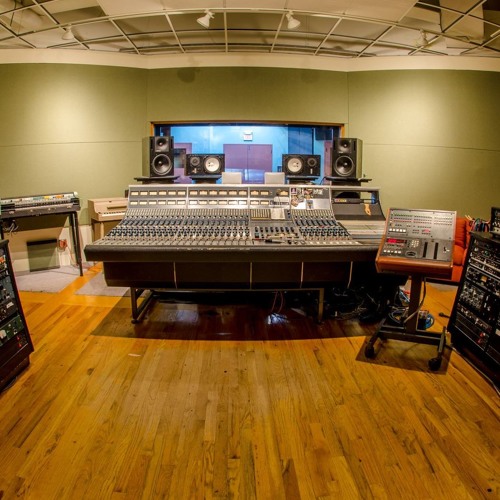
In our main studio, we have been recording with a modded JCM800 2204 and a rolling, 600 pound isolation cabinet that has a bungee suspended, 2x12 Celestion box. Inside is a combination of AKG C414B-ULS, MD421 and a Shure SM57 in a tight three mic configuration. Our engineer likes to sample and blend the different microphone voicings. This studio has vintage Echoplex's and even Neumann M50's, so there is no shortage of high end gear.
The isolation cabinet gave us a portable room that we could move around and helped contain a screaming tube amp, which has been super useful on a lot of hard rock recordings.
Now, we recently did a major DAW upgrade and as part of that, we got the latest version of Cubase Pro and it has a lot of extras.
This past week, I spent some time with this program, an amp/FX simulation by Steinberg.
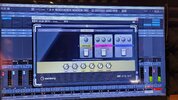
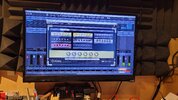
After messing with it for about 30 minutes, we recorded some noodling and compared the tone to previously recorded tracks played through tube amps, with a variety of close proximity and ambient microphones.
What floored me was that in less time than it takes to set up the cabinet and start adjusting amps and FX, we had a better sound on a recording than we have been getting with super trick gear.
Faster setup time also equals more efficiently and faster project completion time, so this was a big eye opener for all of us.
I still play though an amp and pedals live and that is likely to continue, but I'm starting to move away from the amp for studio recordings...
Blue Cat Destructor has been the prolific amp simulation in the pro studios I work in, along with Avid Eleven Mk II and Soft Tube Amp Room getting honorable mention.
During the pandemic, a lot of guys that I work with started messing with amp simulators...guys who had always been die hard tube amp and mic'd cabinet guys.
Of those Gents, there seems to be a lot of interest in Positive Grid Bias Amp 2 and Overloud TH3.
I pay attention to trends. I don't rush out and buy the newest thing, but I do pay attention and gather information. The overwhelming switch that I saw to simulators prompted me to try it.
In our main studio, we have been recording with a modded JCM800 2204 and a rolling, 600 pound isolation cabinet that has a bungee suspended, 2x12 Celestion box. Inside is a combination of AKG C414B-ULS, MD421 and a Shure SM57 in a tight three mic configuration. Our engineer likes to sample and blend the different microphone voicings. This studio has vintage Echoplex's and even Neumann M50's, so there is no shortage of high end gear.
The isolation cabinet gave us a portable room that we could move around and helped contain a screaming tube amp, which has been super useful on a lot of hard rock recordings.
Now, we recently did a major DAW upgrade and as part of that, we got the latest version of Cubase Pro and it has a lot of extras.
This past week, I spent some time with this program, an amp/FX simulation by Steinberg.
After messing with it for about 30 minutes, we recorded some noodling and compared the tone to previously recorded tracks played through tube amps, with a variety of close proximity and ambient microphones.
What floored me was that in less time than it takes to set up the cabinet and start adjusting amps and FX, we had a better sound on a recording than we have been getting with super trick gear.
Faster setup time also equals more efficiently and faster project completion time, so this was a big eye opener for all of us.
I still play though an amp and pedals live and that is likely to continue, but I'm starting to move away from the amp for studio recordings...