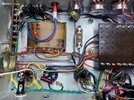
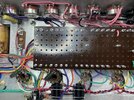
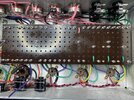
New amp build finally started. JTM45 with KT66.

Best thing I ever did for weight reduction was go back to a head/cab setup. Both pieces much lighter than a combo and so much more versatile.

I'm thinking that way, Sir...

I can make my DSL40C a head and with a front panel insert, turn the empty amp into a extension cabinet...
 
Early amp is:
gain stage > compression stage V2>tone stack> Phase inverter> power tubes.
Later amp is:
gain stage>gain stage>compression stage V2>tone stack>phase inverter>power tubes.

It's just taking the original design, combining the 2 gain stages of the first tube.
That's what an 800 is, a modified Plexi. There is almost no other difference besides stacking the 2 gain stages together.
In other words, a JTM45 or Plexi can be changed to an 800 rather easily.

Then the master volume was added at the end, but that is very simple also.
In fact an attenuator or Fluxtone speaker would be better than a master volume.....
The master volume always suffers tone-suck when the loudness is lowered.

The JTM45 / Plexi is power tube distortion. Clean preamp.
The 800 is preamp distortion. The extra gain stage makes the preamp distort.

One thing I would do different is use a steel chassis. Aluminum tends to oxidize fast.

Ahhh...Ok, that helps me understand the differences...Thanks.
 
It is easy if you have a temp controlled soldering station.
Use a big tip, make sure the metal is clean first.
Good tip on the big tip... :p

But for PEC pots
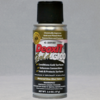
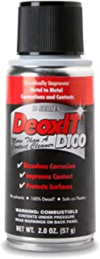
disassemble the pot first, treat the track inside with G100 / D100, reassemble, then solder it in.

The lubrication in those pots goes bad after a certain number of years.
The pot should really have a cleaning hole with a plug to seal it.
But overall, those are the best pots I think. I just need to lube them first with some better stuff than the factory uses.
I'm a fan of the PEC pots, and use them on my rebuilt Marshall JCM800 and my built from scratch JCM800 clone. I've had about 3 of them go scratchy on me through the years. I'm sure that dust and the fact that I live about a mile from the Pacific Ocean are the culprits. And yes, I needed to disassemble the pots and spray them with contact cleaner. I've been using CRC (Quick Drying) Electronic Cleaner from the local hardware store. I can't remember if I re-lubricated those pots. But if I did, I probably used dielectric grease. Now I'm thinking about investing in a small can of Deoxit F5 which should safely lubricate the carbon tracks and plastics that are in the pots... :unsure:
 
Just for the halibut, the JTM45, JTM45/100 and the Park 150 all have aluminum chassis, they're all from 66' and although the chassis do not shine there is no corrosion on them at all. I opened em all up to check to make sure as I got curious enough to go look n check em. Now the chrome panels to the tweeds are really pitted and when I try tp clean em up I wipe off the white lettering. The Ampegs also suffer the same malady!
 

If I was looking for an 18 watt Marshall with a master volume and a loop I would probably just buy this. I would guess building it yourself with a loop would only save you $200 at best.

Wow....this is a nice head for $1,200.00

 
Holy crap, this tube head is really cheap at around $500.00 brand new...but I would guess it has a lot of vintage 'sag' built into it...

I had the ORI50H. Wasn't really impressed with it. I couldn't get a decent tone without pedals. I know Mitch is happy with his though.
 
I had the ORI50H. Wasn't really impressed with it. I couldn't get a decent tone without pedals. I know Mitch is happy with his though.

My basic issue with the modern amps is, they are largely un-repairable if anything goes wrong with them.

In a PTP amp, I can fix it, but I need an FX loop...
 
So I'm starting to think that I should build a JTM45 too... and put 5881's and a 12AY7 V1 in it and eventually get an open-back cabinet with AlNiCo speakers in it. So essentially make a tweed Bassman with the knobs in the front like they should be :)

Unless something makes me change my mind (or you guys talk me out of it :)) I'll probably order a kit early next month. What do you guys think of this one from Modulus in the UK: Plexi 45 - '65 kit - 35w Output - Modulus - UK Guitar Amp Parts and Kits . It's quite attractively priced for me (unless the shipping costs are ridiculous), I guess mainly because the headshell is discounted when bought in a kit. Also the GBP-EUR exchange rate is relatively favourable at the moment...

Their transformers seem to be Dagnall/TRX which I guess is OK? Modulus also makes a steel chassis so I'll probably try to get that. For other options I'm thinking of going with Mallory/F+T caps and CTS pots. I guess carbon film resistors or I could get metal film from a second source for lower noise / better stability?

I really shouldn't have started started reading about amp resistor type choices online :run:
 
Good tip on the big tip... :p


I'm a fan of the PEC pots, and use them on my rebuilt Marshall JCM800 and my built from scratch JCM800 clone. I've had about 3 of them go scratchy on me through the years. I'm sure that dust and the fact that I live about a mile from the Pacific Ocean are the culprits. And yes, I needed to disassemble the pots and spray them with contact cleaner. I've been using CRC (Quick Drying) Electronic Cleaner from the local hardware store. I can't remember if I re-lubricated those pots. But if I did, I probably used dielectric grease. Now I'm thinking about investing in a small can of Deoxit F5 which should safely lubricate the carbon tracks and plastics that are in the pots... :unsure:
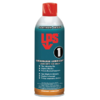
You should disassemble the pot and use G-100, D100, or LPS-1. G100 is the best one. AKA Pro Gold 100. After that it will last for a really long time.
Be sure to dribble a little into the shaft bushing.
The D5 is not long lasting. The F5 is not the ideal thing for professional use. The D5 F5 is 95% solvent and 5% lubricant. This will wash the existing grease out of the shaft bushing if used any more than a tiny bit.

CRC quick dry is solvent only and does not contain lubricant, this is very bad for rotating pots. It will remove the lubrication. Don't use it.
It can reach the point where the pot seizes. And don't spray that stuff into slide faders either.
Slide faders are lubricated by grease.
Using spray cleaner on slide faders can wash the grease out of the slide fader and cause it to seize.

"quick dry" cleaner is intended for dry relay contacts not rotating assemblies.

Ideally, when disassembling the PEC pot:
You should make a small hole in the casing for cleaning, and use some type of plug to seal the hole.
Unfortunetly PEC does not recognize the need for cleaning the pots- but because of the type lube they use, cleaning is needed every few years. The lube they use is not permanent.
 
@Amp Mad Scientist - Ok, can you tell me what I would need to do to this 18watt MojoTone kit to convert it to JCM 800 style operation???
The schematic is everywhere, it's 2203 or 2204. There is only a small difference between a JTM 45, a 1959 and a 2203.
Most people use the PPIMV instead of the pre phase inverter master volume.
This allows over-driving the phase inverter.
But personally, I would leave the master volume out and use a flux tone speaker, or speaker attenuator to control the loudness.
This lets the power tubes overdrive and controls the loudness.

This schematic shows the 2 preamps side by side:
The 1959 is the clean preamp and the 2203 is the modified preamp which has more sensitivity.

The Flux Tone speaker is the state of the art loudness control. It controls the speaker magnet and therefore makes the efficiency of the speaker adjustable.
The speaker itself (frame voice coil etc) is a real Celestion or EVM, etc.
The magnet is changed to an electromagnet instead of a permanent magnet. Then there is an adjustable power supply to run the magnet.
 
The schematic is everywhere, it's 2203 or 2204. There is only a small difference between a JTM 45, a 1959 and a 2203.
Most people use the PPIMV instead of the pre phase inverter master volume.
This allows over-driving the phase inverter.
But personally, I would leave the master volume out and use a flux tone speaker, or speaker attenuator to control the loudness.
This lets the power tubes overdrive and controls the loudness.

This schematic shows the 2 preamps side by side:
The 1959 is the clean preamp and the 2203 is the modified preamp which has more sensitivity.

The Flux Tone speaker is the state of the art loudness control. It controls the speaker magnet and therefore makes the efficiency of the speaker adjustable.
The speaker itself (frame voice coil etc) is a real Celestion or EVM, etc.
The magnet is changed to an electromagnet instead of a permanent magnet. Then there is an adjustable power supply to run the magnet.

@Amp Mad Scientist - which tube does what in this Origin???
 
@Amp Mad Scientist - which tube does what in this Origin???
It's probably the same as 1959 (plexi) or 2203 (JCM 800).
But we do not have origin schematics yet.
V1 is the preamp, V2 is the compressor, V3 is the phase inverter.

A lot of people mistake V2 as a gain stage but it is not a gain stage. It is a compressor limiter stage.
The output of V2 is always less gain than the input of V2.
V2 increases the sensitivity, but it does not increase the gain. V2 subtracts gain.

People always mix up "sensitivity" and "gain." They are not the same thing.
 
It's probably the same as 1959 (plexi) or 2203 (JCM 800).
But we do not have origin schematics yet.
V1 is the preamp, V2 is the compressor, V3 is the phase inverter.

A lot of people mistake V2 as a gain stage but it is not a gain stage. It is a compressor limiter stage.
The output of V2 is always less gain than the input of V2.
V2 increases the sensitivity, but it does not increase the gain. V2 subtracts gain.

People always mix up "sensitivity" and "gain." They are not the same thing.

I appreciate this information.

I typically use the Genelex B759 Gold Lion (on DSL40C's) in V1 for increased gain. Ive also started using a B759 in V4 on the DSL40C for more power tube saturation.. However, on this amp, where would the greatest influence on gain be???

What tubes would you recommend in each of the three positions???

Asking for a friend.. :)
 
Last edited:
You should disassemble the pot and use G-100, D100, or LPS-1. G100 is the best one. AKA Pro Gold 100. After that it will last for a really long time.
Be sure to dribble a little into the shaft bushing.
The D5 is not long lasting. The F5 is not the ideal thing for professional use. The D5 F5 is 95% solvent and 5% lubricant. This will wash the existing grease out of the shaft bushing if used any more than a tiny bit.

CRC quick dry is solvent only and does not contain lubricant, this is very bad for rotating pots. It will remove the lubrication. Don't use it.
It can reach the point where the pot seizes. And don't spray that stuff into slide faders either.
Slide faders are lubricated by grease.
Using spray cleaner on slide faders can wash the grease out of the slide fader and cause it to seize.

"quick dry" cleaner is intended for dry relay contacts not rotating assemblies.

Ideally, when disassembling the PEC pot:
You should make a small hole in the casing for cleaning, and use some type of plug to seal the hole.
Unfortunetly PEC does not recognize the need for cleaning the pots- but because of the type lube they use, cleaning is needed every few years. The lube they use is not permanent.
Thanks, AMS... :cheers:

I have some dielectric grease and some white lithium grease. Would any of these two be a good lubricant for the potentiometers?
 
It's probably the same as 1959 (plexi) or 2203 (JCM 800).
But we do not have origin schematics yet.
V1 is the preamp, V2 is the compressor, V3 is the phase inverter.

A lot of people mistake V2 as a gain stage but it is not a gain stage. It is a compressor limiter stage.
The output of V2 is always less gain than the input of V2.
V2 increases the sensitivity, but it does not increase the gain. V2 subtracts gain.

People always mix up "sensitivity" and "gain." They are not the same thing.


Back
Top