
You are using an out of date browser. It may not display this or other websites correctly.
You should upgrade or use an alternative browser.
You should upgrade or use an alternative browser.

OP

eSGEe
Ferengi Ambassador of Trade

SOn of a BITCH ...........now I have to clean my fooking computer because I laughed so hard at you nutz I spit coffee all over the damn thing !!!
oh and it is WHITE RUSSIAN flavored coffe by Kahlua --- so THERE! its sticky TOO!
poop
-------but damn I am still fooking laughing
oh and it is WHITE RUSSIAN flavored coffe by Kahlua --- so THERE! its sticky TOO!
poop
-------but damn I am still fooking laughing

RVA
Ambassador
That first one looks familiar. The second one looks like a good idea!!None for me, way too heavy and too thick with a sharp contour. A guitar doesn't have to be heavy to sound good. I got this one that is in the SG weight range.
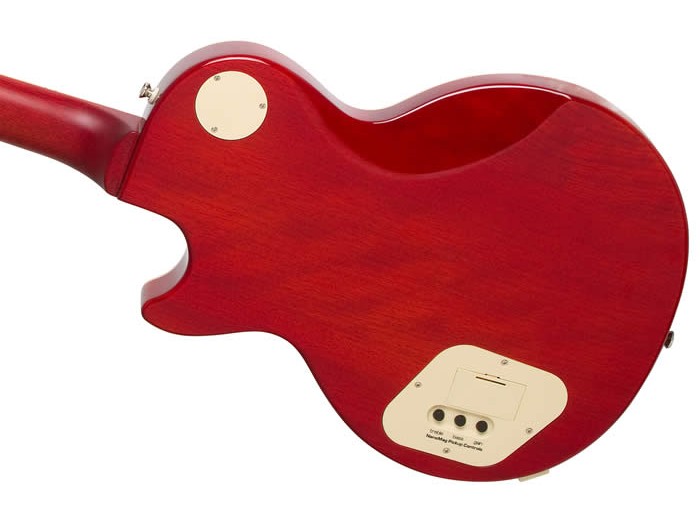
But I just recently realised the Epi Ultra is chambered and has a belly cut. I understand this is blasphemy, but I just might ...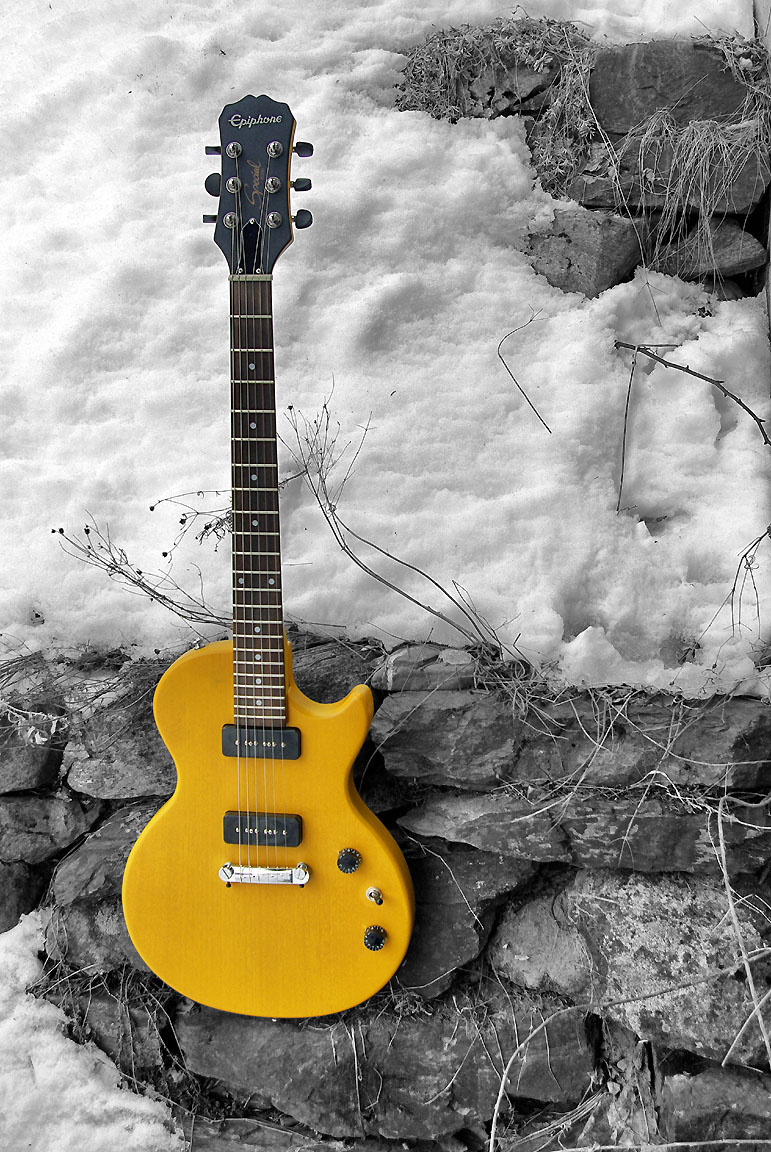


I'm in the same boat as eSGEe...except for the White Russian bit...I have to see straight to help people see straight.  LMAO
LMAO
LMAO
jtcnj
Ambassador of the Crossroad
Iconic rock guitar? Of course I have to have an LP.
Well, a knock off copy, of course.
Still cant figure why the leg cut is so far forward; I have a hard time sitting with it, and yeah, they get heavy standing after a while.
Never weighed mine, but the Agile AL-2000 spec. says 10lbs., probably about right.
Well, a knock off copy, of course.
Still cant figure why the leg cut is so far forward; I have a hard time sitting with it, and yeah, they get heavy standing after a while.
Never weighed mine, but the Agile AL-2000 spec. says 10lbs., probably about right.

Sp8ctre
Ambassador of Steel
None for me, way too heavy and too thick with a sharp contour. A guitar doesn't have to be heavy to sound good. I got this one that is in the SG weight range.
But I just recently realised the Epi Ultra is chambered and has a belly cut. I understand this is blasphemy, but I just might ...
What is all that white stuff...

gball
Ambassador of Boogie
What is all that white stuff...
Good question.


jtcnj
Ambassador of the Crossroad
Well, my back has been feeling better after of couple of weeks of, not so good.
you know what that means - Agile LP + 5f1 Champ time for the past hour and a half.
Felt GOOOOOD. My hack attempt at Led Zep The Ocean riff / rhythm is finally starting to come together.
On a sad note, my diy SHO clone crapped out, the switch cackles like they do and makes noises when I stir the guts with a finger but no signal throughput when engaged. ok when off so the jacks are ok.
you know what that means - Agile LP + 5f1 Champ time for the past hour and a half.
Felt GOOOOOD. My hack attempt at Led Zep The Ocean riff / rhythm is finally starting to come together.
On a sad note, my diy SHO clone crapped out, the switch cackles like they do and makes noises when I stir the guts with a finger but no signal throughput when engaged. ok when off so the jacks are ok.

Glenn
Well-Known Member
I think the magic was in the 54-60 LP's also due to Eric Clapton, Paul Butterfield, Peter Green ....the sustain set them apart from what was being made at the time. Did Gibson think they would stand the test of time...Gibsons Les Paul like it or hate it --- they are an icon....copied, imitated, and reproduced all over the world.
The Gibson Les Paul is a solid body electric guitar that was first sold by the Gibson Guitar Corporation in 1952.[1]The Les Paul was designed by Gibson president Ted McCarty, factory manager John Huis and their team, along with guitarist/inventor Les Paul.
The Les Paul was originally offered with a gold finish and two P-90 pickups. In 1957, humbucking pickups were added, along with sunburst finishes in 1958. The sunburst 1958–1960 Les Paul – today one of the best-known electric guitar types in the world – was considered a failure, with low production and sales. For 1961, the Les Paul was redesigned into what is now known as the Gibson SG. This design continued until 1963 but continued as a separate guitar, when the traditional single cutaway, carved top bodystyle was re-introduced. The Les Paul has been continually produced in countless versions and editions since. Along with Fender's Telecaster and Stratocaster, it was one of the first mass-produced electric solid-body guitars. Les Pauls have been used in many genres, including rock, country, pop, soul, rhythm and blues, blues, jazz, reggae, punk, and heavy metal.
Read more here:
https://en.wikipedia.org/wiki/Gibson_Les_Paul
I personally love the curves and the construction. Tone ain't to bad either. Not bad for furniture grade Mahogany. Back then what the hell was old growth??
What I do know is tighter grains transfer energy quicker (notes).
If we were talking baseball the same applies to a maple bat verses ash. Thighter grains. Energy transfer home run!!!
I was taught to set up a guitar with a little tension in the neck. Proper cut nut , intonation...= Quicker energy transfer. That along with real tonewood no plywood, no plastic finish. Tone.
gball
Ambassador of Boogie
Did Gibson think they would stand the test of time...
Clearly not, since they didn't sell particularly well during the early years and were discontinued. It was only renewed interest generated by the guys you mention that brought mainstream consciousness to the original models and eventually got them reintroduced.
Now it you want to go down the rabbit hole of were those original guitars actually objectively better instruments than those being made today we could go on with endless debate, but they certainly did set a style and tone that has stood the test of time.
Glenn
Well-Known Member
Yes I agreeClearly not, since they didn't sell particularly well during the early years and were discontinued. It was only renewed interest generated by the guys you mention that brought mainstream consciousness to the original models and eventually got them reintroduced.
Now it you want to go down the rabbit hole of were those original guitars actually objectively better instruments than those being made today we could go on with endless debate, but they certainly did set a style and tone that has stood the test of time.


Paul G.
Well-Known Member
It wasn't so much the guitars as the then- new MArshall amps. Almost anything cranked through one of those 60's Marshalls at full roar would sustain!
Well, yes but no. A Les Paul not only has great sustain, it has easy sustain -- a smooth, natural and musical sustain. Regardless of what it is (or isn't) plugged into.
B
Biddlin
Guest
If you're more than two meters away,plugged in is all that counts. My best sustaining guitar would be my basswood/maple Strat, followed closely by my SGJ. I knew Mike Bloomfield a little bit, I heard him play everything from the 59 LP to a Tele I wouldn't have hung on a barn wall and he sounded like Mike Bloomfield, every time! The magic is was and always will be in the player. As for 54-60 being a Golden Age, if you think quality control is inconsistent now, it was much worse then.Well, yes but no. A Les Paul not only has great sustain, it has easy sustain -- a smooth, natural and musical sustain. Regardless of what it is (or isn't) plugged into.
B
Biddlin
Guest
Lol, I might get into the myth of breathing tonewood, next.............Where's that GIF door that opens and the dude walks in and out ?
... this one
