

As I have been following this I am going to want to do mine as well


As I have been following this I am going to want to do mine as well
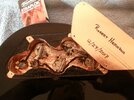
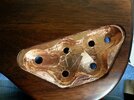
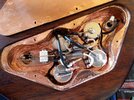
I know that there is a local supplier for this because of recently building an MRI room and they had to get some for screw holes they had to cover to get it to not ground out!
The entire room was copper shielded
That should do wonders for interference, shouldn’t it ?My home studio will be shielded with thin aluminum panels, about .015" thick...
That should do wonders for interference, shouldn’t it ?
Cheers Mitch
The one I just built in LA didn’t do anything like that at all but there were all kinds of double walls with all kinds of strange treatmentsIt's what a lot of new studio designs are incorporating.
The one I just built in LA didn’t do anything like that at all but there were all kinds of double walls with all kinds of strange treatments
More like a dead room, don’t know how else to explain itAcoustical design.
More like a dead room, don’t know how else to explain it
Between the double walls we had to tie them together with what I called motor mounts any penetration through the ceilingOne of my studio colleagues owns his own studio in Burbank. He had to shield it extensively due to interference from Power 106 FM nearby...We work out of there a couple of days a week...


Parallel surfaces are undesirable in a recording room. Parallel surfaces, like walls, ceiling/floor, and windows create resonant standing waves...certain frequencies will pile up, and cancel out, in certain spots.double windows with one slanted,
True the acoustic engineering rep said that they where going to use diffuser panels at all rite angle corners and ceilings, but that was not us, nor where we going to be involved with the echo room they where going to do in house, weParallel surfaces are undesirable in a recording room. Parallel surfaces, like walls, ceiling/floor, and windows create resonant standing waves...certain frequencies will pile up, and cancel out, in certain spots.
Ideally, you will not find a 90° corner, or a plumb wall.
Righton, I have a book that details room treatment.Parallel surfaces are undesirable in a recording room. Parallel surfaces, like walls, ceiling/floor, and windows create resonant standing waves...certain frequencies will pile up, and cancel out, in certain spots.
Ideally, you will not find a 90° corner, or a plumb wall.
Just about anything with a transformer in it can be a culprit...hence my mention of dimmer switches. Tube amp transformers and stuff throw out a ton of noise.Righton, I have a book that details room treatment.
This is definitely electrical, my next big push on the bedroom studio is the treatment.
This has been a fun journey so far, just not rushing, trying to learn a lesson at every hurdle.