
You are using an out of date browser. It may not display this or other websites correctly.
You should upgrade or use an alternative browser.
You should upgrade or use an alternative browser.
So Anyway...
- Thread starter Sp8ctre
- Start date


RVA
Ambassador
Nice work!!!So anyway, progress on the kitchen:
Had to mod the sink base a bit.
View attachment 21520 View attachment 21521 View attachment 21522
First ever tile job; slow but going ok.

chilipeppermaniac
Ambassador of Decibels

That looks like plywood, where's the peg board?

Sooo true.....so so so so true....sir!Thats right, and your life has never been the same since getting it either.

eSGEe
Ferengi Ambassador of Trade
neither has anyones here!!! BUWAHAHAHAHAHAHAHAHAHAHThats right, and your life has never been the same since getting it either.
MesAAHHHHH
I stopped in the ONLY local MESA authorized steelership the other day----OH MY WORD -- FIlmores and Rectovarmits and a LONESTAR Mark5's and a ROSETTE!
but the one that really got me was the Mesa Walkabout Scout BASS amp-----IF I had GOTTEN a tax return this year ("F" the gubment) ---It WOULD have been mine!!! -- brand new -- never "titled" --on the showroom floor (they havent made them in 5 years) -----(they werent popular -- not loud enough to quirky the SUBWAY head and cab took over) --- man
oh well maybe it will still be there NEXT Spring.........................

A Mesa dealers showroom is a candy store crackhouse.neither has anyones here!!! BUWAHAHAHAHAHAHAHAHAHAH
MesAAHHHHH
I stopped in the ONLY local MESA authorized steelership the other day----OH MY WORD -- FIlmores and Rectovarmits and a LONESTAR Mark5's and a ROSETTE!
but the one that really got me was the Mesa Walkabout Scout BASS amp-----IF I had GOTTEN a tax return this year ("F" the gubment) ---It WOULD have been mine!!! -- brand new -- never "titled" --on the showroom floor (they havent made them in 5 years) -----(they werent popular -- not loud enough to quirky the SUBWAY head and cab took over) --- man
oh well maybe it will still be there NEXT Spring.........................
Always approach with caution.
They can separate you from your wallet faster than a carney pickpocket.

Been gettin' up at 3:45 to practice a few hours before heading off to work. The coyotes are certainly active up here in the wee hours....
eSGEe
Ferengi Ambassador of Trade
left mine locked in the glove box of the car for JUST that REASON!!!!!!!!!!!!!!!!A Mesa dealers showroom is a candy store crackhouse.
Always approach with caution.
They can separate you from your wallet faster than a carney pickpocket.
where you working these days Rockin Bobby?
Mostly studio stuff. I also do a little computer programming for a friend's automotive shop (mercedes-benz systems) from time to time between recording jobs. Today, it's Burbank in the morning, then back to Rancho Cucamonga for a session late this afternoon.


jtcnj
Ambassador of the Crossroad
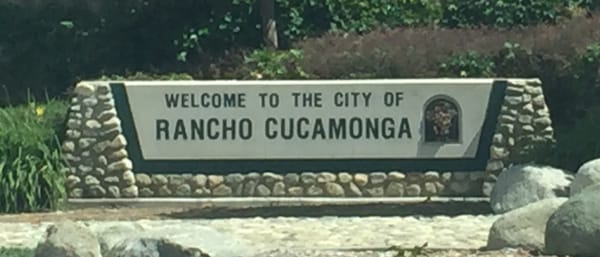
Or 'Cuca' (Koo-Kah) as the locals call it...
"Mel Blanc often characterized a train announcer who cried out three designated stops on Track 5, “Anaheim, Azusa, and Cu…ca-monga!” This started on the January 7, 1945 Jack Benny show and became so widely recognized that a year later, Benny was awarded with three wooden keys, and named honorary mayor of all three cities by city representatives. "

OP

Sp8ctre
Ambassador of Steel
"Mel Blanc often characterized a train announcer who cried out three designated stops on Track 5, “Anaheim, Azusa, and Cu…ca-monga!” This started on the January 7, 1945 Jack Benny show and became so widely recognized that a year later, Benny was awarded with three wooden keys, and named honorary mayor of all three cities by city representatives. "
View attachment 21786
Cool Info!

Session 5
Ambassador of Strings & Wings

neither has anyones here!!! BUWAHAHAHAHAHAHAHAHAHAH
MesAAHHHHH
I stopped in the ONLY local MESA authorized steelership the other day----OH MY WORD -- FIlmores and Rectovarmits and a LONESTAR Mark5's and a ROSETTE!
but the one that really got me was the Mesa Walkabout Scout BASS amp-----IF I had GOTTEN a tax return this year ("F" the gubment) ---It WOULD have been mine!!! -- brand new -- never "titled" --on the showroom floor (they havent made them in 5 years) -----(they werent popular -- not loud enough to quirky the SUBWAY head and cab took over) --- man
oh well maybe it will still be there NEXT Spring.........................
I've got you covered.

"Mel Blanc often characterized a train announcer who cried out three designated stops on Track 5, “Anaheim, Azusa, and Cu…ca-monga!” This started on the January 7, 1945 Jack Benny show and became so widely recognized that a year later, Benny was awarded with three wooden keys, and named honorary mayor of all three cities by city representatives. "
View attachment 21786
Rancho Cucamonga's first settlers were Native American. By 1200 AD, Kukamongan Indians had established a village settlement in the area around present-day Red Hill, near the city's western border. In the 18th century, following an expedition led by Gaspar De Portola, the land was incorporated into the Mission System established by Father Junipero Serra and his group of soldiers and Friars .After a half century of political jockeying in the region, the land finally came under the control of Juan Bautista Alvarado, governor of Mexico. On March 3, 1839, Alvarado granted 13,000 acres of land in the area called "Cucamonga" to Tubercio Tapia, a first-generation Spanish native of Los Angeles, successful merchant, and notorious smuggler.
In 1913, the Pacific Electric Railway was extended through Rancho Cucamonga in an effort to improve crop transportation. Several landmarks in existence today pay tribute to the city's multicultural founding. In particular, Our Lady of Mt. Carmel remains as a relic of the area's Mexican agriculture laborers while the Chinatown House stands as a reminder of the Chinese immigrants who labored in constructing the area's infrastructure.
In 1977, the unincorporated communities of Alta Loma Cucamonga, and Etiwanda voted to incorporate, forming the city of Rancho Cucamonga...
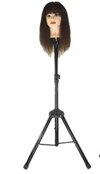
Mom?!So anyway, I stumbled upon this and it struck me as just so weird yet kitschy cool.
" I'm goin' outta my head, over you"
So many opportunities here for commentary.
View attachment 21810