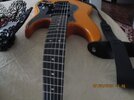
Whats PRS use on the SE models? damn good stuff ---seems rosewood ish--- but has a gloss to it.....very tight wood grain......me like
I just took possession of a used SE with an ebony fretboard. Feels great.

Whats PRS use on the SE models? damn good stuff ---seems rosewood ish--- but has a gloss to it.....very tight wood grain......me like

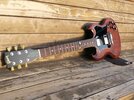
Interesting:
“Granadillo” is the common name most frequently applied to the quality hardwood that comes from several species within the Platymiscium genus. While there are 19 different types of Platymiscium, the 3 most prominent ones on the market are Platymiscium yacatanum, Platymiscium pinnatum and Platymiscium pleiostchyum. Each of these have overlapping growing regions and offer a slightly different experience. All are quality hardwood providing exceptional character, color and tonality. Granadillo is prized for its reddish brown coloring that routinely includes blacks, violets and oranges mixed in; it has proven itself time and again as a premiere choice for both musical instruments and furniture alike. Granadillo responds very well to turning and emits a caramel like scent when worked. It is also an excellent alternative to cocobolo for those who do not wish to deal with the excessive oil and potential allergic reactions that true rosewoods sometimes induce. Typical straight grain patterns with some irregularity, it is also known to have frequent figuring. As with all Platymiscium species, the heartwood is also extremely resistant to fungi and termite attack, which is due to its content of secondary metabolites.

Rosewood vs Maple, I like them both the same.


I just took possession of a used SE with an ebony fretboard. Feels great.
I have axes with maple, rosewood and ebony. I must say that I really love the look of dark ebony but ultimately I don't have a preference when it comes down to tone or feel.

When someone says it has an ebony fret board I see dollar signs. They normally are on upper level guitars.
View attachment 13189 There are draw backs to ebony. It slipped my mind.

Holy cow!!! Your neck is totally warped in that photo! You're going to need some serious truss rod adjustment on that baby.
;>)/
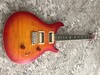

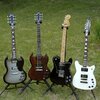
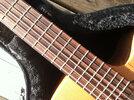
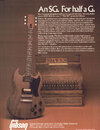
 e in the sandbox, how about a guitar with a fretboard made of Walnut?
I'm still lusting for one of these: a Walnut SG with an Ebony fretboard.
View attachment 13269
Holy cow!!! Your neck is totally warped in that photo! You're going to need some serious truss rod adjustment on that baby.
;>)/