Poll: Mesa vs Mesa vs Mesa vs Mesa...

Which one do you prefer the sound of?

  • Mini Rec

    Votes: 2 22.2%
  • Mark V:25

    Votes: 5 55.6%
  • Rectoverb 25

    Votes: 1 11.1%
  • V:25 Express

    Votes: 1 11.1%

  • Total voters
    9
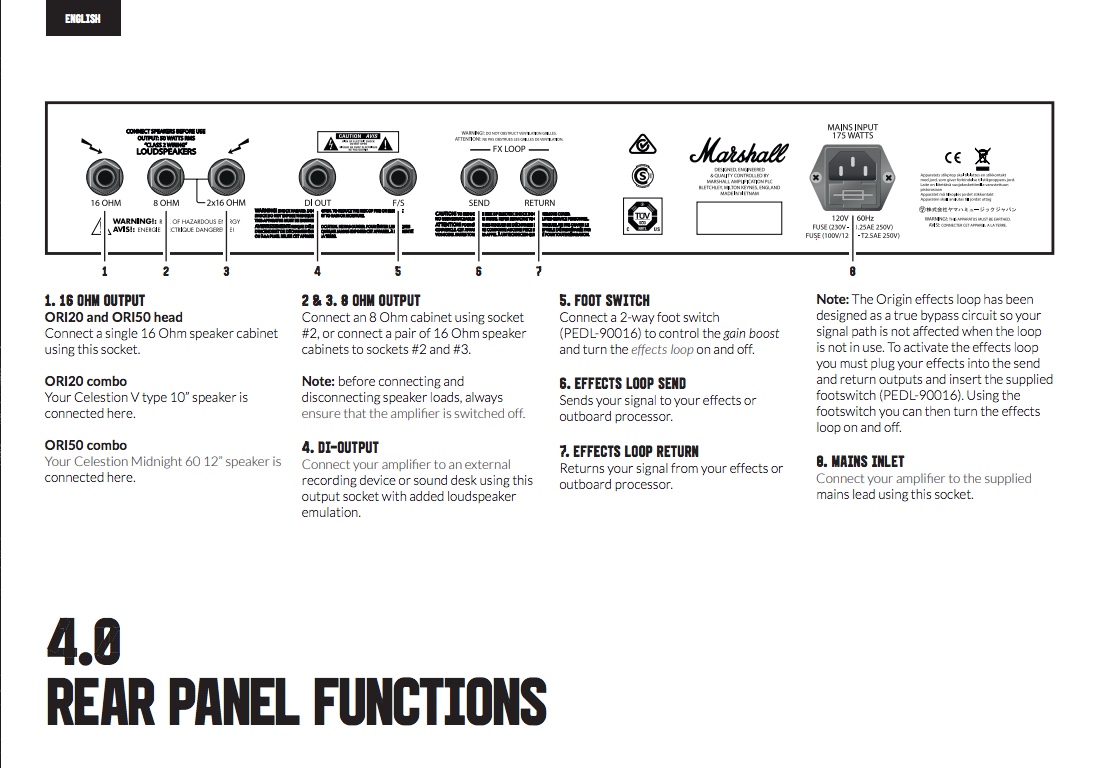
Is your amp the combo or the head? Judging by the photo i looks like a head. By the following it looks like the speaker of the combo plugs into that 16 ohm jack like on the Peavey 6505+ 112
thk833m.jpg
 
I'm not really sure how this works without looking at the manual or speaking to someone from Marshall but you do realise that 16 ohm 112 cabs are available, yeah? They are just a 16 ohm speaker (e.g., one of the 16 ohm V30s in my cabs) wired to a jack. If you have a 4 ohm 112 cab you could switch out the speaker for a 16 ohm one.

Yeah, but it's just a nice local available can, with a nice speaker, at a very good price which is 8 ohm. I might buy it Anyway...
 
Yeah, I think that's right, but if both we're switchable you'd have more options. I

Is your amp the combo or the head? Judging by the photo i looks like a head. By the following it looks like the speaker of the combo plugs into that 16 ohm jack like on the Peavey 6505+ 112

thk833m.jpg
Mine is the combo, and the internal 10" speaker plugs into the car left 16 ohm socket. The 1x12 is a nice warehouse red speaker, but only 8 ohm for under 200 us.
 
If you have an 8 ohm speaker cab you plug it into #2 only. If you have a pair of 16 ohm cabs you can use #2 and #3 at the same time.

Remember that two 16 ohm cabs in parallel creates an 8 ohm load, that's why they say to use one 8 ohm or two 16 ohm cabs. If you only have one 16 ohm cab I'm assuming you connect it to #1
 
You can plug the 8 ohm cab into #2 then, leaving the internal speaker connected.

Alternatively if you wanted to just run a 16ohm cab with no internal speaker I think you would disconnect the internal speaker and insert the speaker cable from the cab into #1
 
But the internal speaker then turns off according to the Marshall forums - that's the irritating element. You could plug the internal speaker into number 2 and plug another 16 ohm into number 3,and that's the only way you can get the internal speaking with an external - 2 times 16 ohm.
 
Yeah the internal speaker is definitely disconnected when you disconnect it ... it doesn't 'turn off' per se because it is passive. If the internal speaker is connected to #1 by removing the cable and connecting an external cab it is effectively a head.
 
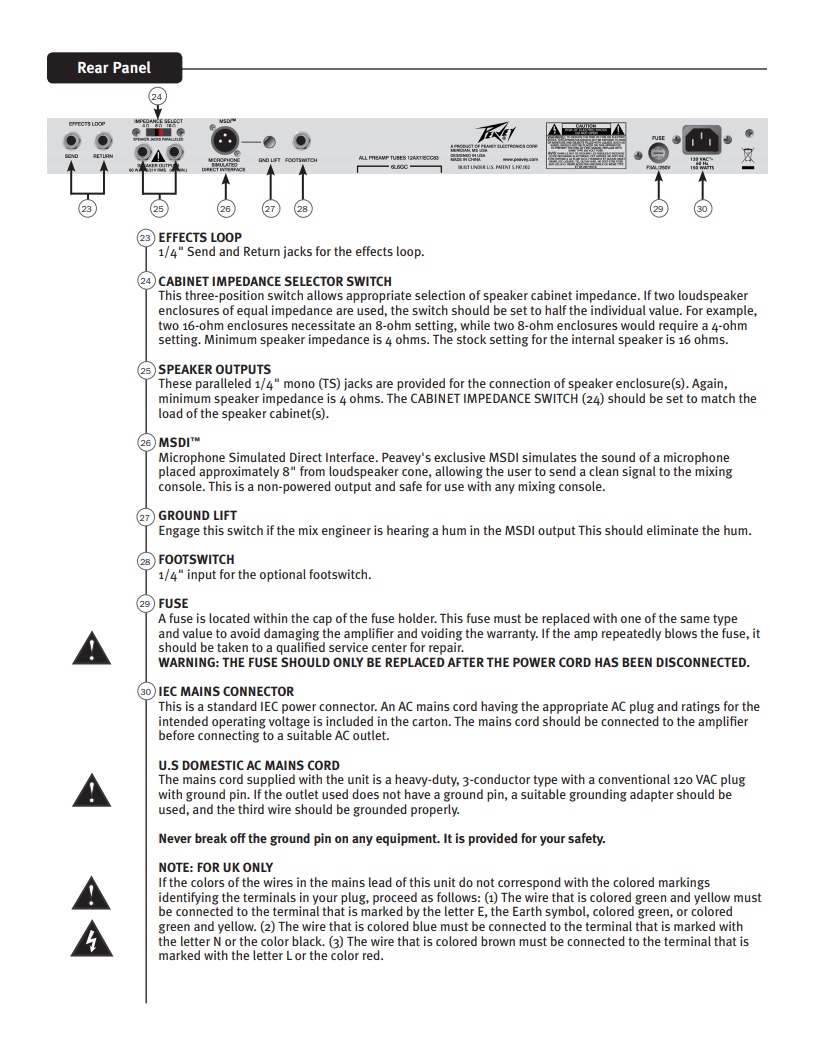
My nephew's Peavey combo looks like this:

l9xs2g6.jpg


The internal speaker is 16 ohms and connects to the left jack. If you connect a 16 ohm external cab as well you put that in the right jack and change the setting to 8 ohms. If you use two 8 ohm cabs you disconnect the internal speaker and set it to 4 ohms. If you connect a 4 ohm speaker cab you must disconnect the internal speaker and set it to 4 ohms. If you just want to run an external cab and no internal speaker just disconnect the internal speaker, insert the cable to the external cab and set the switch at the setting appropriate to the cab. In other words it works just like a 6505+ head but has its own speaker cab attached
 
The internal speaker is 16 ohms and connects to the left jack. If you connect a 16 ohm external cab as well you put that in the right jack and change the setting to 8 ohms. If you use two 8 ohm cabs you disconnect the internal speaker and set it to 4 ohms. If you connect a 4 ohm speaker cab you must disconnect the internal speaker and set it to 4 ohms. If you just want to run an external cab and no internal speaker just disconnect the internal speaker, insert the cable to the external cab and set the switch at the setting appropriate to the cab. In other words it works just like a 6505+ head but has its own speaker cab attached

Which is exactly the kind of flexibility that you want. Marshall should be offering something similar.
 
Yeah, but it's just a nice local available can, with a nice speaker, at a very good price which is 8 ohm. I might buy it Anyway...
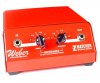
This impedance matcher could alleviate some headaches


The Z-Matcher allows you to match the output impedance of your amp to impedances of speakers and cabinets that are not the same as your amp output impedance. Matches 2, 2.6, 4, 5.3, 8, and 16 ohms amplifiers to 2, 2.6, 4, 5.3, 8, and 16 ohms speaker systems. Includes an extra output jack (parallel) and a balanced and unbalanced line out with a level adjustment.


z-matcher_2.jpg
 
This impedance matcher could alleviate some headaches


The Z-Matcher allows you to match the output impedance of your amp to impedances of speakers and cabinets that are not the same as your amp output impedance. Matches 2, 2.6, 4, 5.3, 8, and 16 ohms amplifiers to 2, 2.6, 4, 5.3, 8, and 16 ohms speaker systems. Includes an extra output jack (parallel) and a balanced and unbalanced line out with a level adjustment.


View attachment 25108
Great gadget. I rarely use it, but glad it's there when I need it.
 
  • Like
Reactions: RVA
Yeah, but it's just a nice local available can, with a nice speaker, at a very good price which is 8 ohm. I might buy it Anyway...

Sounds like its just not the correct solution for what you are trying to do...I guess you could replace the speaker in it with a 16 ohm, but if not why buy it? You'd only be able to use either the internal speaker or the cab but not both. Better to me to be patient and get the correct 16-ohm external.
 
Back
Top