I had always thought you had to get to the end of the hole to get to the pipe ??It's quite the modern rabbit hole.

I had always thought you had to get to the end of the hole to get to the pipe ??It's quite the modern rabbit hole.

I had always thought you had to get to the end of the hole to get to the pipe ??

Yep...that's how I got a 34 inch pedalboard....then, you have to fill in the blank spaces with more FX.
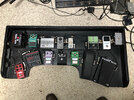
Here’s the latest layout of my pedal board. It comes in at 43 ninches. It’s two inches longer than my Stratocaster guitar case. It has two power supplies.
I need to figure out a way to rearrange things to fit my TC Electronic Tube Pilot onto it.
View attachment 76752
Here’s the latest layout of my pedal board. It comes in at 43 ninches. It’s two inches longer than my Stratocaster guitar case. It has two power supplies.
I need to figure out a way to rearrange things to fit my TC Electronic Tube Pilot onto it.
View attachment 76752
Tell me about your Hum Debugger....how is that working for you???

Smitty, I ran across these from Rockboard when putting my latest board together. You can get pedals really close together with these.Here’s the latest layout of my pedal board. It comes in at 43 ninches. It’s two inches longer than my Stratocaster guitar case. It has two power supplies.
I need to figure out a way to rearrange things to fit my TC Electronic Tube Pilot onto it.
View attachment 76752
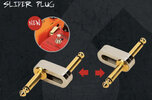
Smitty, I ran across these from Rockboard when putting my latest board together. You can get pedals really close together with these.
View attachment 76769

Just be careful with these, even the offsetting types, as they have a tendency of basically killing your pedals due to stress on the jack inputs. This particular model, supposedly lowers the stress load by a weird offset angle and to be honest, i havent heard anything negative on them but they are still relatively new.Smitty, I ran across these from Rockboard when putting my latest board together. You can get pedals really close together with these.
View attachment 76769
Just be careful with these, even the offsetting types, as they have a tendency of basically killing your pedals due to stress on the jack inputs. This particular model, supposedly lowers the stress load by a weird offset angle and to be honest, i havent heard anything negative on them but they are still relatively new.
Seems a little dramatic ! All of the jacks in my pedals are bolted to the metal case. I guess if you are really stomping on the box you could tweak something. In my use case, it’s a non-issue. Wish he could have shown some damaged examples, just sayingJust be careful with these, even the offsetting types, as they have a tendency of basically killing your pedals due to stress on the jack inputs. This particular model, supposedly lowers the stress load by a weird offset angle and to be honest, i havent heard anything negative on them but they are still relatively new.
Some say they arent as damaging towards pedals of the same brand and series: i.e like going from one BOSS to another, due to exact placement of the jack inputs from the bottom and the pedal resting firmly on the floor/board. But i guess the common issue stems from different brands where the placement isnt the same, they sort of pitch either up or down and when you continue to press down on the pedal with your foot, in time it can pull the jacks apart and off the circuit boards.Seems a little dramatic ! All of the jacks in my pedals are bolted to the metal case. I guess if you are really stomping on the box you could tweak something. In my use case, it’s a non-issue. Wish he could have shown some damaged examples, just saying

I’ll offer to tell you from experience, but expect you to choose to learn from your own…it’s not just the pedals that fail with a hard connection between them…it’s the little joining jack thingies(sorry to get technical there).Seems a little dramatic ! All of the jacks in my pedals are bolted to the metal case. I guess if you are really stomping on the box you could tweak something. In my use case, it’s a non-issue. Wish he could have shown some damaged examples, just saying

Well no, I didn't miss the point as i said this particular model was supposed to reduce stress and i hadn't heard anything negative on them, though they were still fairly new lolYou guys miss the point. The slider is not a hard connection. It can rotate and slide between pedals.
I looked....I've used similar....your call....You guys miss the point. The slider is not a hard connection. It can rotate and slide between pedals.