
You are using an out of date browser. It may not display this or other websites correctly.
You should upgrade or use an alternative browser.
You should upgrade or use an alternative browser.
FENDER FUSE-- alert-- and m my FUSE is now SHORTER!
- Thread starter eSGEe
- Start date


@Thatbastarddon said:
And @RVA said:
I think both make great points.
As I’ve said before, I’m comfortable with both a digital platform and an analog tube platform.
I don’t see either one as being necessarily superior, however. There are definitely pros and cons to either one.
I think it comes down to personal preference and suitability for the situation.
Any computer based hardware technology(like the Kemper) that requires connection to a computer to update, or reload the operating system, will likely end up in the bin eventually. Eventually the manufacturers will give up on updating drivers as operating systems continue to evolve, and connection protocols change. FireWire is a good example...back when FireWire first came out, it was a far superior connection method to USB for audio applications. Now you’re hard pressed to find drivers for early FireWire interfaces. USB was just too well entrenched, and able to be improved upon eventually, while remaining backwards compatible.
The jump from 32bit to 64bit processing meant the end was nigh for many other expensive pieces of studio hardware too, as their developers found it too costly or time consuming to find a way to work around the change for a five year old piece of hardware....even if you did dump nearly $3K on it. You had to find your own workaround...if you could.
Ten to fifteen years, seems to be what you may expect as a best case scenario from computer based hardware. Depending upon when, in the product’s life span, you purchase...and the build quality and dependence upon a computer host for functionality.
And @RVA said:
A technology based music device may not last forever, and ultimately will be replaced with a shiny new model, usually with a boatload of new features that are a great improvement, and an interface that makes it easier to use than ever. By way of reverse implication, one would be led to believe that tube amps are these eternal vampire-like creatures that last forever. But that is only partially true. This ignores the fact that
- tubes need to be changed regularly. New tubes are commonly deemed to be inferior to NOS tubes by the same people who will remind you that tubes are here to stay.
- Half the time, tubes need to be biased. If you can do this yourself, you will need equipment...probes, meters, and to be safe, a method to discharge the caps so you don't die. If you cannot do it, it will run you $90 an hour and take quite some effort to find a skillful amp tech in many areas. You may need to travel a bit.
- power transformers die and need to be replaced. This can happen instantly if you forget to connect a cord, connect an inadequate cord, or have a faulty connection with a cord to the required load. If you cannot change it yourself, that will cost you $90 hour
- output transformers die and need to be replaced. If you cannot change it yourself, that will cost you $90 hour
- Capacitors and resistors need to be replaced. But before you can do this, you need to figure out which of them needs replacing. This is not a simple endeavour. If you cannot do this yourself, that will cost you $90 hour
- NOS capacitors and resistors are often thought to be necessary to get the "classic tone" of tube amps. Same issue as tubes.
- if you try to work on your amp and make a mistake, you can die. No additional fees are involved here.
Managing the above is outside the skill set of most users, yet it is a regular part of an amps existence. This must be taken into account when comparing it to the relative life span of digital equipment. Many would prefer to have a comparable tone from digital equipment and avoid these issues with tube amps, which are difficult and stressful, just as many would like to lease a car and avoid having to make repairs as a car gets old. Whether you can get a comparable tone from a tube amp is another debate. However, in my opinion, the cost and efforts of maintaining a tube amp is equalt or greater than the need for the periodic replacement of digital equipment, especially when you throw the risk of death in the mix.
I think both make great points.
As I’ve said before, I’m comfortable with both a digital platform and an analog tube platform.
I don’t see either one as being necessarily superior, however. There are definitely pros and cons to either one.
I think it comes down to personal preference and suitability for the situation.

A technology based music device may not last forever, and ultimately will be replaced with a shiny new model, usually with a boatload of new features that are a great improvement, and an interface that makes it easier to use than ever. By way of reverse implication, one would be led to believe that tube amps are these eternal vampire-like creatures that last forever. But that is only partially true. This ignores the fact that
- tubes need to be changed regularly. New tubes are commonly deemed to be inferior to NOS tubes by the same people who will remind you that tubes are here to stay.
- Half the time, tubes need to be biased. If you can do this yourself, you will need equipment...probes, meters, and to be safe, a method to discharge the caps so you don't die. If you cannot do it, it will run you $90 an hour and take quite some effort to find a skillful amp tech in many areas. You may need to travel a bit.
- power transformers die and need to be replaced. This can happen instantly if you forget to connect a cord, connect an inadequate cord, or have a faulty connection with a cord to the required load. If you cannot change it yourself, that will cost you $90 hour
- output transformers die and need to be replaced. If you cannot change it yourself, that will cost you $90 hour
- Capacitors and resistors need to be replaced. But before you can do this, you need to figure out which of them needs replacing. This is not a simple endeavour. If you cannot do this yourself, that will cost you $90 hour
- NOS capacitors and resistors are often thought to be necessary to get the "classic tone" of tube amps. Same issue as tubes.
- if you try to work on your amp and make a mistake, you can die. No additional fees are involved here.
Managing the above is outside the skill set of most users, yet it is a regular part of an amps existence. This must be taken into account when comparing it to the relative life span of digital equipment. Many would prefer to have a comparable tone from digital equipment and avoid these issues with tube amps, which are difficult and stressful, just as many would like to lease a car and avoid having to make repairs as a car gets old. Whether you can get a comparable tone from a tube amp is another debate. However, in my opinion, the cost and efforts of maintaining a tube amp is equal to or greater than the need for the periodic replacement of digital equipment, especially when you throw the risk of death in the mix.
See...it’s all about expectations. I’ve learned to expect to throw away these devices eventually. If I can learn to service them, in order to extend their life expectancy....that’s great. If they’ll continue to function fully, without the need for updates, even better.


RVA
Ambassador
Nice!
RVA
Ambassador
You are a talented exception...you can sevice or connect just about anything.See...it’s all about expectations. I’ve learned to expect to throw away these devices eventually. If I can learn to service them, in order to extend their life expectancy....that’s great. If they’ll continue to function fully, without the need for updates, even better.
I was referring to us mere mortals!
RVA
Ambassador
Agreed. And let's not forget the admirable efforts at combining the two, like hybrid amps.@Thatbastarddon said:
And @RVA said:
I think both make great points.
As I’ve said before, I’m comfortable with both a digital platform and an analog tube platform.
I don’t see either one as being necessarily superior, however. There are definitely pros and cons to either one.
I think it comes down to personal preference and suitability for the situation.

Session 5
Ambassador of Strings & Wings

A technology based music device may not last forever, and ultimately will be replaced with a shiny new model, usually with a boatload of new features that are a great improvement, and an interface that makes it easier to use than ever. By way of reverse implication, one would be led to believe that tube amps are these eternal vampire-like creatures that last forever. But that is only partially true. This ignores the fact that
- tubes need to be changed regularly. New tubes are commonly deemed to be inferior to NOS tubes by the same people who will remind you that tubes are here to stay.
- Half the time, tubes need to be biased. If you can do this yourself, you will need equipment...probes, meters, and to be safe, a method to discharge the caps so you don't die. If you cannot do it, it will run you $90 an hour and take quite some effort to find a skillful amp tech in many areas. You may need to travel a bit.
- power transformers die and need to be replaced. This can happen instantly if you forget to connect a cord, connect an inadequate cord, or have a faulty connection with a cord to the required load. If you cannot change it yourself, that will cost you $90 hour
- output transformers die and need to be replaced. If you cannot change it yourself, that will cost you $90 hour
- Capacitors and resistors need to be replaced. But before you can do this, you need to figure out which of them needs replacing. This is not a simple endeavour. If you cannot do this yourself, that will cost you $90 hour
- NOS capacitors and resistors are often thought to be necessary to get the "classic tone" of tube amps. Same issue as tubes.
- if you try to work on your amp and make a mistake, you can die. No additional fees are involved here.
Managing the above is outside the skill set of most users, yet it is a regular part of an amps existence. This must be taken into account when comparing it to the relative life span of digital equipment. Many would prefer to have a comparable tone from digital equipment and avoid these issues with tube amps, which are difficult and stressful, just as many would like to lease a car and avoid having to make repairs as a car gets old. Whether you can get a comparable tone from a tube amp is another debate. However, in my opinion, the cost and efforts of maintaining a tube amp is equal to or greater than the need for the periodic replacement of digital equipment, especially when you throw the risk of death in the mix.
And one more thing to add, the younger generation do not have the skills to maintain or repair tube amps and they never will, because they don't want to.... when their digital amp breaks , they will just buy a new one.
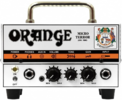
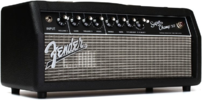
Session 5
Ambassador of Strings & Wings
Man that sounds a lot like my SS amp...

OP

eSGEe
Ferengi Ambassador of Trade
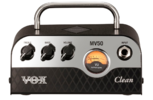
the Cambridge
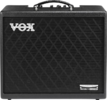
the VTX20
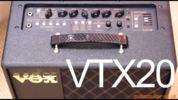
to be fair I tried the BASS version of newtube------ thought YEAH a Cheap BASS tube amp------- uhm --- no as usual my SS 60.00 Hartke DESTROYED it
but "tube"
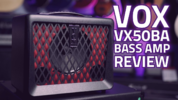
I can go on---------Ive wasted a decade chasing tones-----
all I learned is it dont matter I still suck
