
You are using an out of date browser. It may not display this or other websites correctly.
You should upgrade or use an alternative browser.
You should upgrade or use an alternative browser.
How to find an amp's sweet spot
- Thread starter RVA
- Start date


OP

RVA
Ambassador
I notice you have the tone dimed on the Panama. It can be on the darker side. I may try a tube swap.not all amps HAVE that many controls.......can I find the sweet spot on these????????????
View attachment 5714
actually I have ---its ALL SWEET SPOT buwahahahahaha
OP
RVA
Ambassador
That is another thing I found interesting. I was waiting for him to say that, but he did not. He presumably believes that the point where the pot is most responsive is static for each. This is also something I will look for.Not sure. Interesting though...
Presuming many amps have highly interactive controls, where you start and what order you go about the controls would affect what he did in the video. Probably?

eSGEe
Ferengi Ambassador of Trade

IT can be--- however I leave the amp dimed and then adjust/set tone with the Tube Overdrive pedal ......typically on the Panama not the Little Sexy is at nine --- and as I look across the room it is currently on 10 --- same deal-- adjust with the tube Overdrive when using it...

Dave Sloven
Ambassador of DOOM!

Yeah I wasn't too impressed with the video but I do think that starting with the lows and highs before the mids is sensible
Then you have the whole issue of how 'presence' affects tone, 'bright' switches, etc ... not to mention the 'resonance' control on Peavey 5150/6505 series amps (although I mainly use that to adjust for different cabs). Resonance is quite interactive with the low EQ in my experience.
Then you have the whole issue of how 'presence' affects tone, 'bright' switches, etc ... not to mention the 'resonance' control on Peavey 5150/6505 series amps (although I mainly use that to adjust for different cabs). Resonance is quite interactive with the low EQ in my experience.

OP
RVA
Ambassador
I think the videos assume a sense of independence between the parameters and that the most responsive section of the pot is the best section to be in. I doubt the validity of this theory, but it is so easy to test that I must!Yeah I wasn't too impressed with the video but I do think that starting with the lows and highs before the mids is sensible
Then you have the whole issue of how 'presence' affects tone, 'bright' switches, etc ... not to mention the 'resonance' control on Peavey 5150/6505 series amps (although I mainly use that to adjust for different cabs). Resonance is quite interactive with the low EQ in my experience.
eSGEe
Ferengi Ambassador of Trade
I think the videos assume a sense of independence between the parameters and that the most responsive section of the pot is the best section to be in. I doubt the validity of this theory, but it is so easy to test that I must!
THAT is a CRAP TON of multi syllable words


Finding an amps sweet spot
1. Get a Marshall
2. turn all the knobs to 10
3. ROCK THE FOOK OUT
your welcome --- buwahahhahhahaaa----:dood:

Gotta tell you this, Adrian...my DSL40C at 5 is ungodly loud.

gball
Ambassador of Boogie
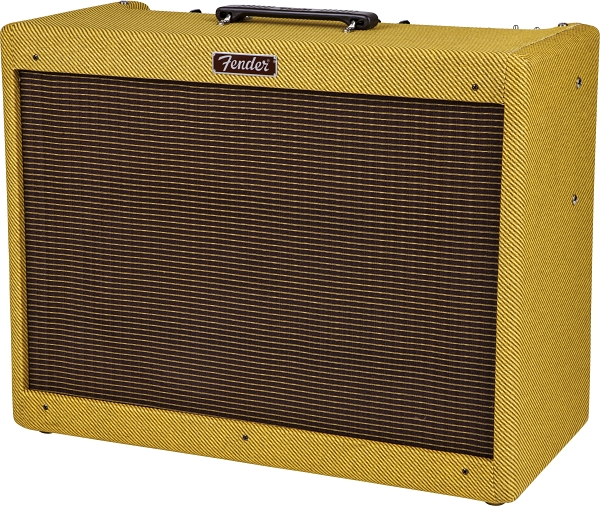
Too simplistic to apply to all amps. This method is fine with a Fender or Marshall style tonestack, but if you try this with a Mesa or a Bogner (or many others) you are going to get mud. It's, I believe, the reason that many people say they don't like those amps...players have learned to dial in a Fender-style tonestack their whole life and then they apply the same thing to a Mark 5 and they leave thinking the Mark is a terrible-sounding amp when in reality a lot of the method for dialing in great tone with those amps is counter intuitive to someone used to the Fender.


I'm gonna have to give this a try.No idea if this is valid, but certainly an interesting approach. I will definitely give it a try.
OP
RVA
Ambassador
I recorded the "sweet spot" settings. The I put the dials in the approximate location I had them for years until I thought they were "right" and recorded again. I then played them back. I preferred the settings as determined by the above method. AT minimum, I will use this as a reference point going forward