
You are using an out of date browser. It may not display this or other websites correctly.
You should upgrade or use an alternative browser.
You should upgrade or use an alternative browser.
2021 Gibson Les Paul Standard 50's Gold Top:
- Thread starter Inspector #20
- Start date

OP


Ok, That's a wrap...
We're done for the day. That was a good first run for the Gold Top....
We're done for the day. That was a good first run for the Gold Top....
OP
Just an observation….pure speculation…no offense meant.
View attachment 76078
When I say “clipped”, I’m referring to clipping the input/preamp/whatever…not necessarily a “bad” thing, depending upon the pre…
We just noticed the visual difference right away.
OP
Just an observation….pure speculation…no offense meant.
View attachment 76078
When I say “clipped”, I’m referring to clipping the input/preamp/whatever…not necessarily a “bad” thing, depending upon the pre…
Looking at the waveforms I realized that the bottom three tracks were recorded on my Ivanberg Modded ORI50 last week. This was with Jose Arredondo Zener Diode Clipping engaged, and could account for the "paintbrush" style waveforms???

We just noticed the visual difference right away.
Most likely a combination of zoom level, recording level(not clipped), and material played.Looking at the waveforms I realized that the bottom three tracks were recorded on my Ivanberg Modded ORI50 last week. This was with Jose Arredondo Zener Diode Clipping engaged, and could account for the "paintbrush" style waveforms???
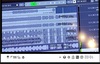
Here’s your pic of your zoomed out project.
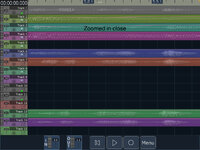
Here‘s a couple screen grabs from whatever’s on my iPad right now.
Zoomed way in, and up close…not quite “sample level”.
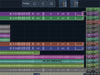
The same project, zoomed way out, like yours, for a wide overview.

syscokid
Ambassador of War & Peace
If you can make the feedback stop by applying a little pressure with a fingertip, or an eraser end of a pencil, onto the cover of the pickup, then you might be able to permanently stop the feedback by adding a strip of double-sided tape between the pickup's cover and bobbins. However, I also agree that it would be easier to just replace the pickup.Too much work. Easier to put in a 57+. Also a hotter pickup I think. I prefer that.

Jethro Rocker
Ambassador of Live & Loud Action

Cool idea! I will try that to see if it stops it. As per the other thread, I prefer hotter pickups so likely the 57+ is overall a better idea. I already have the pickup.If you can make the feedback stop by applying a little pressure with a fingertip, or an eraser end of a pencil, onto the cover of the pickup, then you might be able to permanently stop the feedback by adding a strip of double-sided tape between the pickup's cover and bobbins. However, I also agree that it would be easier to just replace the pickup.
Last edited:

gball
Ambassador of Boogie
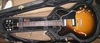
So, I potentially found a new 2022 Les Paul 50s in heritage cherry that has Grovers and silver insert gold knobs. If I can verify this is the case tomorrow I am going to buy it.
Curious that those tuners and knobs are what a '60s Standard would have from the factory. Any chance the seller got the model mixed up?

OP
Curious that those tuners and knobs are what a '60s Standard would have from the factory. Any chance the seller got the model mixed up?
Interesting....I wonder too.

Cadorman
Ambassador of the Catocaster
I know. The 60s Standard doesn't come in heritage cherry. Either they finished a 60s in the wrong color, or had trouble sourcing parts and went with what they had. I emailed Gibson CS with the serial number to see what they can tell me. It's definitely a 2022 model.Curious that those tuners and knobs are what a '60s Standard would have from the factory. Any chance the seller got the model mixed up?

eclecticsynergy
Ambassador of Electric Synergy
I think when someone's buying aftermarket PAF types - especially at the prices Gibson charges - they're looking for something as close to the vintage experience as possible. The original PAFs weren't potted. In fact, wax potting only became popular among rockers when people began playing much louder in the 60s, precisely because the vintage pickups squeal at high volumes.So, what would be the rationale behind this decision? Isnt unpotted pups a prescription for producing unwanted micro phonics and feedback?
Today, stage levels in general are much lower than they were from the 60s through the 90s, so more players are happy doing without potting these days. Unpotted humbuckers do often seem to have a little extra air, chime and liveliness.
Of course not all potting is equal; there are different levels of depth ranging from a quick dip to full-on vacuum potting, and different formulas of wax used too. Often mass-production potting is much heavier than that done by boutique winders.
Many feel the muffled tone and dead character of Epiphone's notorious pre-2010 "mudbuckers" was due to them being encased in a solid block of heavy wax underneath their covers.
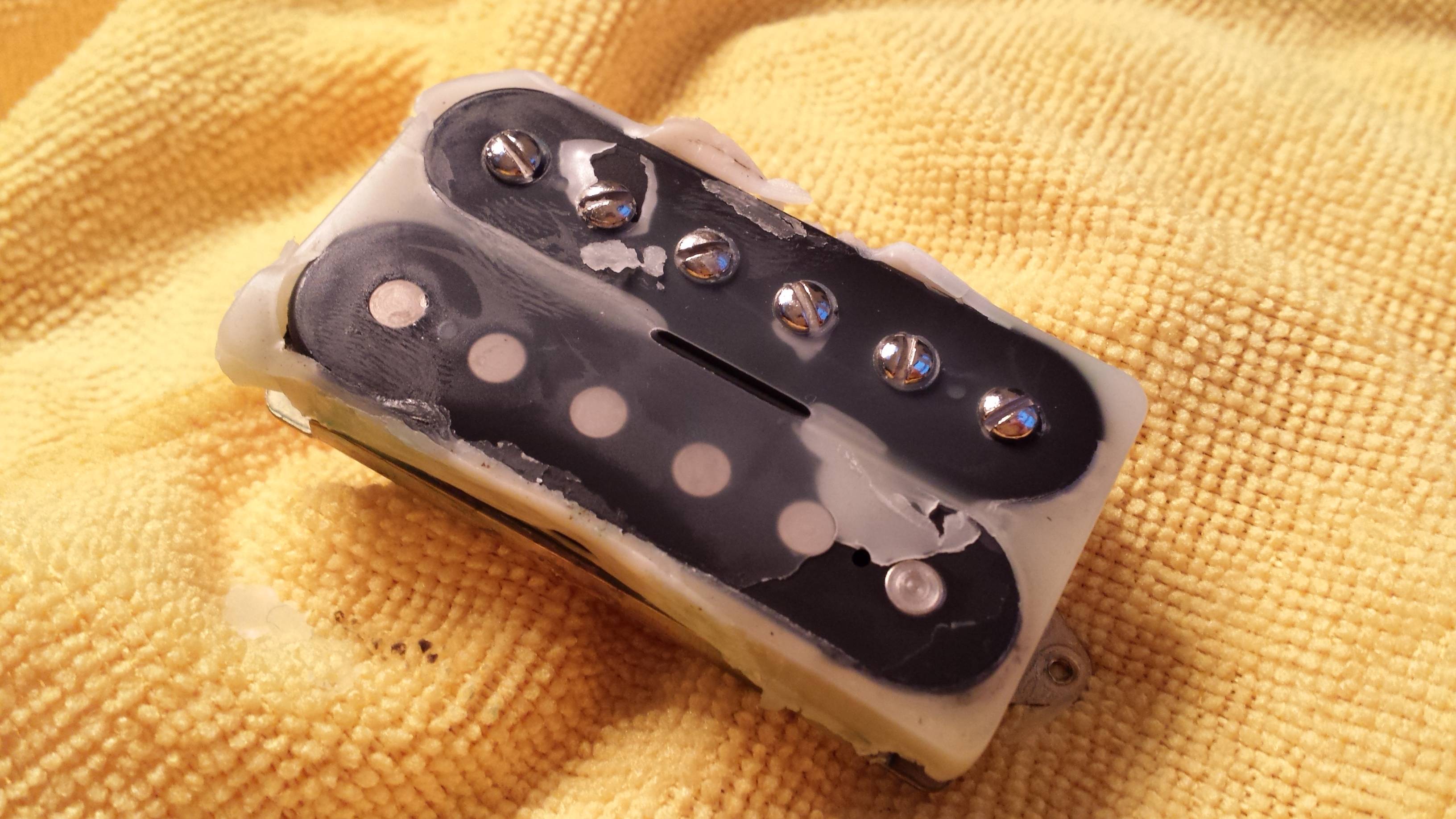
eclecticsynergy
Ambassador of Electric Synergy
The double neck tends to be a little dark anyways, so I experimented by soldering 2 .047uf caps together and affixing them to the bridge pickup signal wire.
I then lowered the pickups significantly and adjusted the pole pieces to achieve string to string volume level balance.
View attachment 76063
View attachment 76064
This is the first time I have ever loved the sound I was getting out of the double neck....and the comments tell me I'm that not imagining the improvement.
Another session coming up at 5pm. More updates to follow...
You used two .047uF caps in series between the hot lead and the pot, correct? Or were the caps wired in parallel?
OP
You used two .047uF caps in series between the hot lead and the pot, correct? Or were the caps wired in parallel?
Parallel...
OP
So, this particular guitar left the plant with .010, .013, .017, .026, .036, .046 strings. I have always used .009 x .046, but I think I'm just gonna stock with the .010's on this one...
By the way...these frets are much, much harder than the frets on my 2016-2017 Gibson SG's, Studio and 50's Tributes.
Not sure of the composition, but they are much more wear resistant.
By the way...these frets are much, much harder than the frets on my 2016-2017 Gibson SG's, Studio and 50's Tributes.
Not sure of the composition, but they are much more wear resistant.
syscokid
Ambassador of War & Peace
I also like this idea of using pieces of (paraffin) wax to stop the squeal... if the squealing is related to air gaps between the cover and the pickup:I think when someone's buying aftermarket PAF types - especially at the prices Gibson charges - they're looking for something as close to the vintage experience as possible. The original PAFs weren't potted. In fact, wax potting only became popular among rockers when people began playing much louder in the 60s, precisely because the vintage pickups squeal at high volumes.
Today, stage levels in general are much lower than they were from the 60s through the 90s, so more players are happy doing without potting these days. Unpotted humbuckers do often seem to have a little extra air, chime and liveliness.
Of course not all potting is equal; there are different levels of depth ranging from a quick dip to full-on vacuum potting, and different formulas of wax used too. Often mass-production potting is much heavier than that done by boutique winders.
Many feel the muffled tone and dead character of Epiphone's notorious pre-2010 "mudbuckers" was due to them being encased in a solid block of heavy wax underneath their covers.
OP
I also like this idea of using pieces of (paraffin) wax to stop the squeal... if the squealing is related to air gaps between the cover and the pickup:
This is great!!!!
syscokid
Ambassador of War & Peace
DO IT!!!!!!!!Gibson got back to me this morning. The serial number I gave them is indeed a 2022 heritage cherry 50s Standard. They said it was entirely possible it was assembled with Grovers and reflector knobs. I am having a hard time resisting this one.