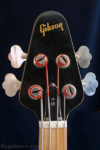
OP


With the vintage tuners I say yes, install the tree(s)
I have solid brass, gold-plated roller trees....

With the vintage tuners I say yes, install the tree(s)

View attachment 60514
String monkey. Don't change strings when he is around.



Does a string monkey by any other name smell as sweet?if a string tree falls in the woods does an angel get its wings?
I put string trees on all my Warmoth builds just because I thought it needed to be there for the proper tension over the nut. Having said that I never put one on my last build and I'm not having any problems. I'll probably put one on eventually but not because I think it needs it anymore, it just looks funny to me without it.
I only use these.. TUSQ XL String Trees | stewmac.com

Boo frequents these pages regularly. I should probably post his brother Too more often before he develops issues.View attachment 60540
Aw! She says he's cute!

Why do you feel that the headstock break angle is important?As others have pointed out it is not about stopping strings from jumping out of the nut. That is only part of the equation. It is more about the break angle being close to the same for all the strings.


Without sufficient angle or pressure on the nut you may get rattles, buzz, or weird harmonics above the nut.Why do you feel that the headstock break angle is important?
I disagree. You need a fixed amount to tension at the contact points (bridge and nut) to bring the strings to pitch. This tension is maintained as long as the pitch is static. Any change in break angle would affect the downward pressure on the nut, just as the angle behind the bridge affects the angle pressure on the bridge (and could result in bridge lean), but not rattle, buzz or harmonics. The tension behind the nut is very significant and strings cannot rattle. String buzz happens between the bridge and the nut. Also, I do not think any additional harmonics enter into a tuned note by break angle changes. These seem to be the basic physics to me.Without sufficient angle or pressure on the nut you may get rattles, buzz, or weird harmonics above the nut.


View attachment 60540
Aw! She says he's cute!
I disagree. You need a fixed amount to tension at the contact points (bridge and nut) to bring the strings to pitch. This tension is maintained as long as the pitch is static. Any change in break angle would affect the downward pressure on the nut, just as the angle behind the bridge affects the angle pressure on the bridge (and could result in bridge lean), but not rattle, buzz or harmonics. The tension behind the nut is very significant and strings cannot rattle. String buzz happens between the bridge and the nut. Also, I do not think any additional harmonics enter into a tuned note by break angle changes. These seem to be the basic physics to me.

 hazeguitars.com
While string trees (or string retainers or guides) certainly won’t be the first thing you notice when scoping out a guitar or bass, they do play a key role in getting your instrument to sound right.
So what do string trees do, exactly?
Sitting atop flat Fender-style headstocks, these little widgets provide the correct amount of tension where the strings break over the nut. Essentially, they increase the string’s break angle—the angle a string makes where it bends over a nut or a bridge—from the from the nut to the tuning machines and ensure that the strings won’t come unseated in the nut slot. The added pressure also means you'll get more sustain when the string is played open

thought I would check in and make sure you werent peeing on the sofa leg againIs that you Adrian? Nice to see you here my friend...