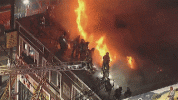
BATTERIES Lithium batteries have become extremely popular for powering control and power systems in models because of their high-energy density compared with earlier battery technologies. With high energy comes increased risk in use. The principle risk is fire, which can result from improper charging, crash damage, or shorting the batteries.All Lithium battery vendors warn customers of this danger and recommend extreme caution in their use. However, many fires have resulted from the misuse of Lithium Polymer (LiPo) batteries, leading to the loss of models and automobiles. Other property, such as homes, garages, and workshops, have also burned. A Lithium battery fire burns explosively at several thousand degrees and is an excellent initiator for ancillary fires. Fire is caused by contact between Lithium and oxygen in the air. It needs no other source of ignition or fuel to start. T he following is recommended for Lithium batteries to preclude ancillary fires:
Store and charge in a fireproof container—never in your model. • Charge in a protected area that is devoid of combustibles. • In the event of damage from crashes, etc., carefully move the battery pack to a safe place for at least a half hour to observe. Physically damaged cells can erupt into f lames. After sufficient time to ensure safety, the cells should be discarded in accordance with the instructions that come with the batteries. Never attempt to charge a cell with physical damage, regardless of how slight. • Always use chargers designed for the specific purpose; it’s preferable to have a fixed setting for your particular pack. Many fires occur while using selectable/adjustable chargers that are improperly set. Never attempt to charge Lithium cells with a charger that is not specifically designed for Lithium cells! Never use chargers that are specifically designed for NiCd batteries. • It is strongly recommended that you use charging systems that monitor, control, and balance the charge state of each cell in the pack. Unbalanced cells can lead to disaster if the system permits a single cell in the pack to be overcharged. This means that the charging system must provide charge cessation as each cell reaches the proper voltage. If the batteries show any sign of swelling, discontinue charging and move them to a safe place— outside. They could erupt into flames.