Found this on The Gear Page...
Here's the story: I've been through a bunch of amps in the last 12 months or so looking for the right thing for me. I wanted a reliable and gig-worthy amp that could also do rehearsal and jamming, and could be playable at a volume that wouldn't take my house down. I play mostly 70s-00s rock, mostly hard rock. RATM, RHCP, Pearl Jam, Nirvana, Soundgarden, AIC, Foo Fighters, Metallica, Zepplin, QOTSA etc. Music with lots of quiet-loud dynamics (so I need a nice clean sound) and lots of loud, crashing guitars (so I need a great drive sound).
I'm not a boutique guy -- I just do not have the cash or the talent for that, and even if I did, I'm not sure $3,000+ amps appeal to me anyways. So if you insist on that kind of thing, this post might not be helpful for you.
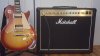
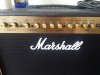
Anyways, long story short, I now own the DSL40c and I think it is an amazing amp, well worth every penny. In the process, I've found out a few things about it that I wanted to share for others on a similar journey.
For reference, I've owned the following amps:
Fender Hot Rod Deluxe -- Didn't really like that volume jump and the overdrive wasn't for me, but the cleans are good.
Peavey Delta Blues 210 (Clean channel very sterile, overdrive channel good but needed a TS to tighten. Amp was very dark overall for me -- had treble maxed out and still too dark.)
Peavey Bandit - Pretty damn good for a solid state amp, but sounded a lot like the Delta blues, with the same issues. (For me.)
Fender Bassbreaker 15 (Overdrive sounds are awesome, clean is awesome but not much headroom. Main problem was that it's not 2-channels and turning down guitar volume wasn't getting me clean enough. If you don't need that, it really is a blast to play.)
Egnater Tweaker 40 (This amp sounds great once you get it EQ'ed, but I bought a used one that failed and then a brand new one which started hissing and cracking within an hour of play, so back those went. Not sure on reliability here.)
I also played through many others in the course of looking, many of which have been mentioned on here -- the Blackstar 40, Orange TH15 and Terrors, Vox AC15/30, Vox Night Train, Peavey Classic, etc. I've also played some classic and expensive amps, but they belonged to other people.
Anyways, I tried the Marshall DSL40C, an amp I had tried unsuccessfully many times before. Like many, I thought the 2 channels didn't match up well, and the gain was too fizzy and bright on the red channel. I thought the reverb was weak, etc.
I got lucky today and there was a sound room I could set up in to try the DSL40c, and the employees were happy to have me turn it up louder. In about an hour and a half, I discovered the following things which led me to buy the amp:
1. It's not a bedroom or recording amp. Like, at all. The amp sounds much, much better once you get it up to jamming, rehearsing, or gigging volume. And after that, it just gets better. A big part of the reason the "red" channel seems fizzy is because people are (understandably) playing it at lower volumes. This is an amp to play in a band or jam with other musicians. It needs to get up to a certain volume to sound the way people want it to sound.
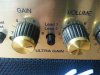
2. EQ is sensitive and works very well, if you take the time. By rolling back the treble to 3, putting the bass at 6, pushing the mids to 7-8, and rolling back the resonance knob to 3 (EDIT: I meant Presence: Resonance should be up around 7-8) I'm getting incredible, huge rock rhythm sounds on the red channel, and a really nice fat clean with channel 1 set to "crunch" and the gain down low at 3. If you were going to use the green channel for a distorted tone, you would need more treble and less bass. The green and red channels can actually do the same thing, but they are just EQ'ed way differently. I think clipping the bright cap is the wrong approach -- it probably ruins the clean channel. Just get the EQ right.
3. It's possible to get the red channel to sound like the green channel with its gain cranked. With the EQ settings above and the gain on the "Lead 2" channel at about 2 or less, so basically in the "9:00" position, I got a huge, ballsy, roaring Marshall sound once I got the actual volume above 9:00 as well. It's pretty loud at that point, basically at jamming volume. I A/Bed it with that great crunchy green-channel sound people like and the sound was very, very close. This means you can "create" the amp people seem to want -- clean on channel 1 and great, tight rock sound on channel 2. Then use a boost for soloing, or do volume knob stuff...
4. The red channel works extremely well for rolling off your volume knob. With my volume knob on 5, on a guitar with humbuckers, I get a very nice, chimey clean tone while still on the red Lead 2 Channel. Because you're on the high-gain channel, it's got some white noise behind it, so I would use the actual clean channel in a recording situation, but for a live situation it is a great, great sound to have for dynamic music. Up at 7.5 on my volume knob, I have a great low-gain rhythm sound -- AC/DC type thing. At 10 the thing is roaring -- not fizzy at all, just roaring. None of the amps above had this quality -- they all sounded very flat with the volume knob rolled off. Part of the "brightness" everyone complains about works in the amp's favor here -- there's a lot of clarity and chime left when you roll off your guitar's volume knob.
I also think the red channel with the gain set low and the EQ done right would also make a great overdriven blues sound.
5. The red channel has way too much gain on tap. This is the third reason (besides EQ and playing volume) that people think it sounds fizzy -- they have too much gain dialed in, and it might be Marshall's fault for putting it there. The higher gain settings just don't really work. In Lead 1, keep gain under 4 and in Lead 2, keep it under 2. With the right EQ and playing volume, it sound amazing. I hit an EP booster with the internal dip switch set to add bass and the knob around 10:00 if I want a heavier sound. This pushes the right frequencies while pushing the gain. An EQ pedal could do the same thing.
6. The "weak reverb" serves a purpose, and very well. Here's another misconception: The reverb seems "weak" because it's there to create depth, not to play surf music. I have the reverb knobs at about noon and it makes the amp sound enormous and deep. If I want to play ambient shoe-gaze or surf music, I can run a $100 reverb pedal through the loop. I think the reverb is perfect for the purpose its intended to serve. It's not supposed to sound like Fender reverb.
7. The oversized cabinet is amazing. It's not solid wood, but if it was, I think the amp would weigh about 85 lbs, and I think it sounds great without it. The big cabinet housing the speaker, with the semi-closed back, gives it a huge, bassy sound that still has spread. It's truly the opposite of "boxy" amp.
So that's it -- this is the amp I've been looking for, and it was right in front of my face. It's certainly not the easiest amp to dial in immediately, and I think Marshall screwed a few things up in the design, but if you sit and play with it, I think the DSL40 is as good a rock amp as you can get. The guy I jam with most frequently uses a 1987 JCM 800 combo and as good as it sounds, I honest to god would rather have the DSL. I haven't plugged it into a 4x12 yet, but I imagine it can take some heads off.
Here's the story: I've been through a bunch of amps in the last 12 months or so looking for the right thing for me. I wanted a reliable and gig-worthy amp that could also do rehearsal and jamming, and could be playable at a volume that wouldn't take my house down. I play mostly 70s-00s rock, mostly hard rock. RATM, RHCP, Pearl Jam, Nirvana, Soundgarden, AIC, Foo Fighters, Metallica, Zepplin, QOTSA etc. Music with lots of quiet-loud dynamics (so I need a nice clean sound) and lots of loud, crashing guitars (so I need a great drive sound).
I'm not a boutique guy -- I just do not have the cash or the talent for that, and even if I did, I'm not sure $3,000+ amps appeal to me anyways. So if you insist on that kind of thing, this post might not be helpful for you.
Anyways, long story short, I now own the DSL40c and I think it is an amazing amp, well worth every penny. In the process, I've found out a few things about it that I wanted to share for others on a similar journey.
For reference, I've owned the following amps:
Fender Hot Rod Deluxe -- Didn't really like that volume jump and the overdrive wasn't for me, but the cleans are good.
Peavey Delta Blues 210 (Clean channel very sterile, overdrive channel good but needed a TS to tighten. Amp was very dark overall for me -- had treble maxed out and still too dark.)
Peavey Bandit - Pretty damn good for a solid state amp, but sounded a lot like the Delta blues, with the same issues. (For me.)
Fender Bassbreaker 15 (Overdrive sounds are awesome, clean is awesome but not much headroom. Main problem was that it's not 2-channels and turning down guitar volume wasn't getting me clean enough. If you don't need that, it really is a blast to play.)
Egnater Tweaker 40 (This amp sounds great once you get it EQ'ed, but I bought a used one that failed and then a brand new one which started hissing and cracking within an hour of play, so back those went. Not sure on reliability here.)
I also played through many others in the course of looking, many of which have been mentioned on here -- the Blackstar 40, Orange TH15 and Terrors, Vox AC15/30, Vox Night Train, Peavey Classic, etc. I've also played some classic and expensive amps, but they belonged to other people.
Anyways, I tried the Marshall DSL40C, an amp I had tried unsuccessfully many times before. Like many, I thought the 2 channels didn't match up well, and the gain was too fizzy and bright on the red channel. I thought the reverb was weak, etc.
I got lucky today and there was a sound room I could set up in to try the DSL40c, and the employees were happy to have me turn it up louder. In about an hour and a half, I discovered the following things which led me to buy the amp:
1. It's not a bedroom or recording amp. Like, at all. The amp sounds much, much better once you get it up to jamming, rehearsing, or gigging volume. And after that, it just gets better. A big part of the reason the "red" channel seems fizzy is because people are (understandably) playing it at lower volumes. This is an amp to play in a band or jam with other musicians. It needs to get up to a certain volume to sound the way people want it to sound.
2. EQ is sensitive and works very well, if you take the time. By rolling back the treble to 3, putting the bass at 6, pushing the mids to 7-8, and rolling back the resonance knob to 3 (EDIT: I meant Presence: Resonance should be up around 7-8) I'm getting incredible, huge rock rhythm sounds on the red channel, and a really nice fat clean with channel 1 set to "crunch" and the gain down low at 3. If you were going to use the green channel for a distorted tone, you would need more treble and less bass. The green and red channels can actually do the same thing, but they are just EQ'ed way differently. I think clipping the bright cap is the wrong approach -- it probably ruins the clean channel. Just get the EQ right.
3. It's possible to get the red channel to sound like the green channel with its gain cranked. With the EQ settings above and the gain on the "Lead 2" channel at about 2 or less, so basically in the "9:00" position, I got a huge, ballsy, roaring Marshall sound once I got the actual volume above 9:00 as well. It's pretty loud at that point, basically at jamming volume. I A/Bed it with that great crunchy green-channel sound people like and the sound was very, very close. This means you can "create" the amp people seem to want -- clean on channel 1 and great, tight rock sound on channel 2. Then use a boost for soloing, or do volume knob stuff...
4. The red channel works extremely well for rolling off your volume knob. With my volume knob on 5, on a guitar with humbuckers, I get a very nice, chimey clean tone while still on the red Lead 2 Channel. Because you're on the high-gain channel, it's got some white noise behind it, so I would use the actual clean channel in a recording situation, but for a live situation it is a great, great sound to have for dynamic music. Up at 7.5 on my volume knob, I have a great low-gain rhythm sound -- AC/DC type thing. At 10 the thing is roaring -- not fizzy at all, just roaring. None of the amps above had this quality -- they all sounded very flat with the volume knob rolled off. Part of the "brightness" everyone complains about works in the amp's favor here -- there's a lot of clarity and chime left when you roll off your guitar's volume knob.
I also think the red channel with the gain set low and the EQ done right would also make a great overdriven blues sound.
5. The red channel has way too much gain on tap. This is the third reason (besides EQ and playing volume) that people think it sounds fizzy -- they have too much gain dialed in, and it might be Marshall's fault for putting it there. The higher gain settings just don't really work. In Lead 1, keep gain under 4 and in Lead 2, keep it under 2. With the right EQ and playing volume, it sound amazing. I hit an EP booster with the internal dip switch set to add bass and the knob around 10:00 if I want a heavier sound. This pushes the right frequencies while pushing the gain. An EQ pedal could do the same thing.
6. The "weak reverb" serves a purpose, and very well. Here's another misconception: The reverb seems "weak" because it's there to create depth, not to play surf music. I have the reverb knobs at about noon and it makes the amp sound enormous and deep. If I want to play ambient shoe-gaze or surf music, I can run a $100 reverb pedal through the loop. I think the reverb is perfect for the purpose its intended to serve. It's not supposed to sound like Fender reverb.
7. The oversized cabinet is amazing. It's not solid wood, but if it was, I think the amp would weigh about 85 lbs, and I think it sounds great without it. The big cabinet housing the speaker, with the semi-closed back, gives it a huge, bassy sound that still has spread. It's truly the opposite of "boxy" amp.
So that's it -- this is the amp I've been looking for, and it was right in front of my face. It's certainly not the easiest amp to dial in immediately, and I think Marshall screwed a few things up in the design, but if you sit and play with it, I think the DSL40 is as good a rock amp as you can get. The guy I jam with most frequently uses a 1987 JCM 800 combo and as good as it sounds, I honest to god would rather have the DSL. I haven't plugged it into a 4x12 yet, but I imagine it can take some heads off.